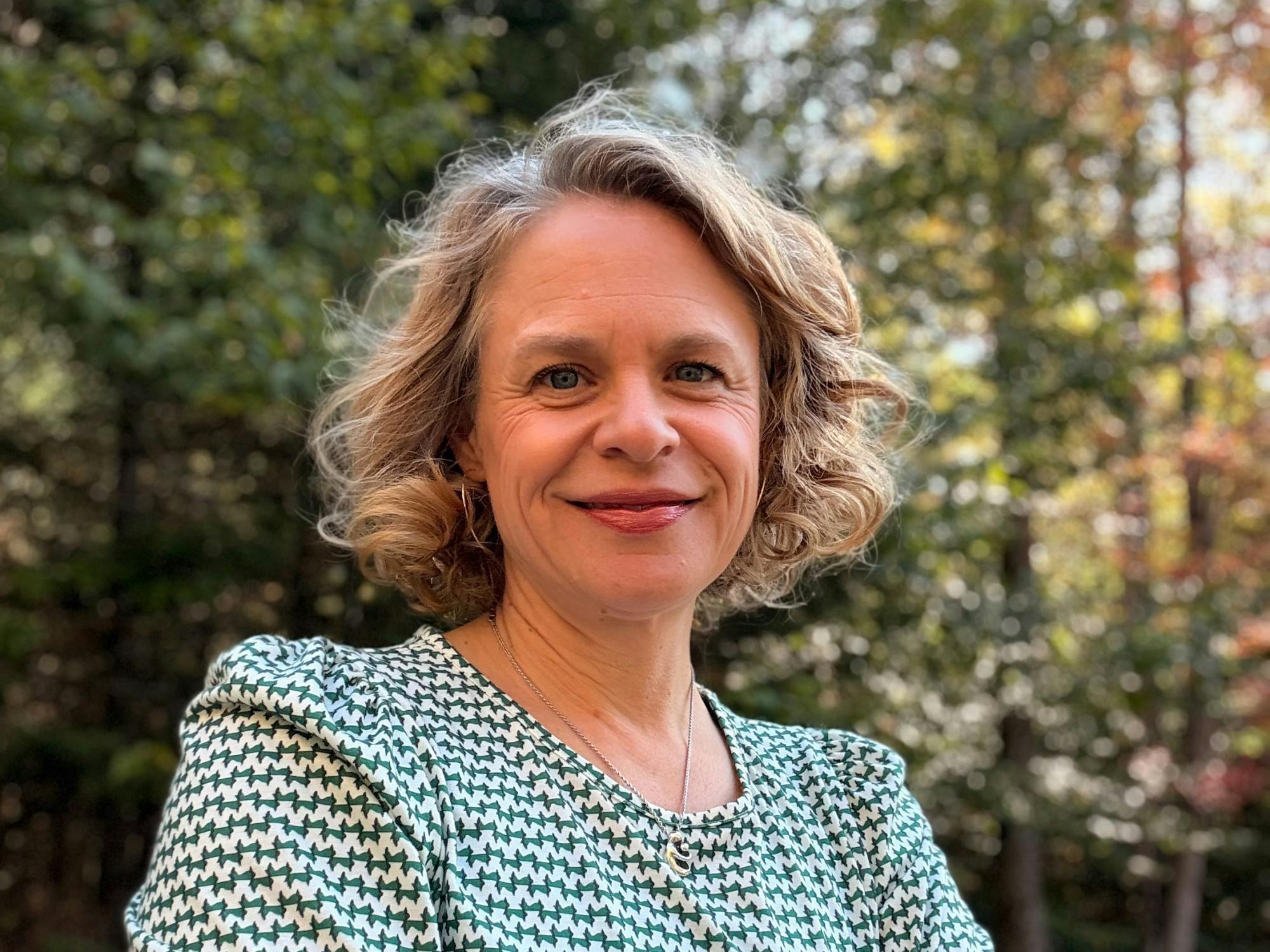
On Aug. 1, Megan Wood was named the new executive director of the Frank J. Guarini Institute for International Education, which facilitates opportunities to study away from campus. More than half of Dartmouth students study away at least once, according to the Dartmouth Admissions Office website.
Wood, who was previously the Guarini Institute’s deputy director, knows the experience from the student side too. Having studied abroad in Ecuador, Japan and New Zealand as an undergraduate student, Wood brings her own experiences to her work creating opportunities for Dartmouth students.
The Dartmouth sat down with Wood to discuss her background, her philosophy as an executive and the future of international education in a changing political climate.
You’ve been part of Guarini before becoming executive director, which means you’re stepping into the role with an understanding of the institute from the inside. How has that familiarity shaped the way you’ve approached your first months as director?
MW: I started at the Guarini Institute as an assistant, but I came in with a lot of experience. I have done almost every job in this office or had my hands in some aspect of this job. I have a lot of empathy for all of the people that I work with. I was also involved to a certain extent in almost every person’s hiring, and so I have a really good sense of all of the pieces and how they could work together. The people that we have working here are incredible. All of them have such an amazing work ethic. All of us are willing to do anything in order to get the job done, which is something I deeply respect about every person at Guarini.
You’ve studied abroad three times yourself. What was your biggest takeaway from studying abroad, and how have your own experiences influenced your philosophy of what students should get out of these programs?
MW: I remember my first experience overseas, which was in New Zealand. I had a concept that everywhere, wherever I went in the world, I would be welcomed. And that wasn’t necessarily the case. I think it was the first time that I was confronted with kind of difficult and challenging questions that made me really think more deeply about where I’m from and what has framed my view of the world. From that first moment, I think it helped me to enter into spaces in a very different way. I really think that allowing young people to be able to travel and explore and experiment and have difficult conversations helps them become better citizens of the world. So that became my life goal, to help facilitate that.
Part of your job is making decisions that affect students you may never personally meet. How do you keep students’ individual experiences and perspectives at the center of larger institutional decisions?
MW: Sometimes we’ll have a staff meeting question where we ask, “Why do we do what we do?” Every time people say the students. I think all of us at some point remember the phase that you all are in. It’s one that so many people reflect on because it’s such a turning point.
In terms of how we’re able to keep students at the center of what we do, it’s not only through making sure we’re connecting with you and hearing about your experience and how it influenced you, but also looking at the broader world and trying to figure out what the need is for students. I don’t always have the answer to those questions, but at the very least it’s important to make sure that we’re offering a diversity of programs and experiences so that you have a good selection of things to choose from.
The Guarini website describes “ethical global engagement” as part of its vision for international education. What does that mean to you in practice?
MW: What ethical engagement means to me is being really thoughtful about where you’re going, what you’re contributing and what you may be taking away from a community or a space. A lot of what we talk about is reciprocity. As we’re thinking about different programs or how students are being present in those spaces, we also have to think about the impact.
One of the biggest successes of any kind of experience is becoming more comfortable in uncomfortable situations. We’re all going to be challenged with conflict or things that make us feel a little bit uneasy, but it’s how you build up skills to navigate those environments that makes people be able to do hard things. For Dartmouth students, I want them to be able to enter these spaces. I want them to be able to engage in meaningful, respectful conversations and ask a lot of questions and come away with maybe having a new perspective or understanding a new perspective.
Dartmouth’s study abroad model was developed in a very different global and educational environment than the one students are entering today. What assumptions about international education do you think still hold true, and what assumptions need to be reconsidered?
MW: I think the assumption that we’re going to create these opportunities for students and they’re going to go away and become these global citizens is potentially true, but I don’t know if it’s possible without certain interventions. One of the things we talk a lot about is making sure that we’re prompting students to reflect.
It’s not just that you had this experience; it’s thinking about it a few months after. Oftentimes you come back, you go into your job and you do whatever’s next. You probably think about it every once in a while, but in terms of having someone to literally sit and dig in and think about: What was it like to live in a homestay? What did you learn from that experience? What was difficult? What made you feel uncomfortable? Historically, it was more like, “We’re going to provide these experiences, they’re going to learn something, it’s going to be great” — and now we’re going to facilitate these experiences and have students reflect on them, so they can articulate what they learned from them and not just put it in a box.
This interview has been edited for clarity and length.