On July 2, Gov. Kelly Ayotte signed H.B. 1433 into law, creating a tax credit for “qualifying” childcare facilities in the state that “create or expand” seats. The credit — which will apply to businesses that create seats after Jan. 1, 2027 — will be equal to 50% of the company’s total claimed expenditures for “constructing, rehabilitating, renovating or expanding property” for its childcare facilities.
The bipartisan law comes amid a shortage of child care seats in New Hampshire. Lebanon Early Care and Education Association executive director Amy Brooks estimated that there was an approximately 3,800-seat deficit in February 2026, according to the Valley News.
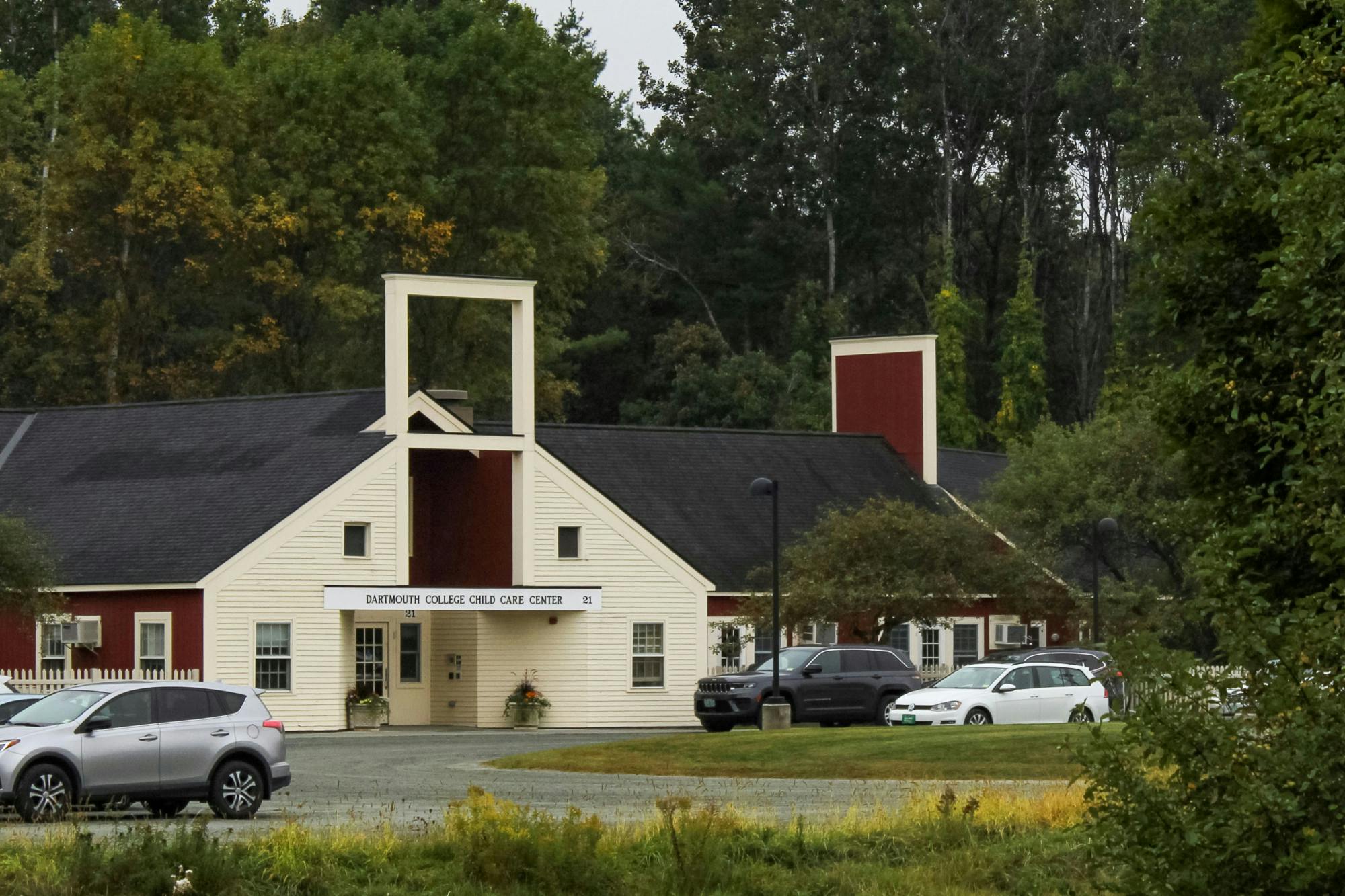
In March, Lebanon voters approved a plan for the Boys and Girls Club of Central and Northern New Hampshire to build a 50-seat facility in West Lebanon to help address the shortage. In April, the Dartmouth College Child Care Center, which is owned and operated by the College for children of its employees, had a waitlist of between 100 and 200 seats, according to past coverage by The Dartmouth.
State Sen. Suzanne Prentiss, D-5, who voted for H.B. 1433, said in an interview that childcare is “an essential issue” for her constituents.
“Childcare has really risen to the surface,” Prentiss said. “This is what someone stops me in the Price Chopper to talk about.”
The law will not directly affect D4C, since the College is a not-for-profit and does not pay business profit taxes. However, Prentiss noted that it may “potentially free up spaces” at D4C as other childcare options are expanded around the Upper Valley.
The bill’s primary sponsor, State Rep. Katelyn Kuttab, R-Rockingham, said the law “incentivizes” employers to “become partners in expanding the childcare capacity” of the state.
“The purpose of this legislation is to partner the government with the private sector by investing in childcare,” Kuttab said.
Like Prentiss, Kuttab said childcare was a “big issue that kept coming up” when she spoke with her constituents. She added that she was also personally affected by the state’s childcare shortage.
“My own daughter, when I started as a state representative, was on a nine-month wait list in order to get into our local childcare center,” Kuttab said.
While the tax credit will not “fix everything overnight,” Kuttab said she hopes that families will “find it easier to find childcare for their children” and that childcare will be “more accessible.”
New Hampshire Fiscal Policy Institute senior policy analyst Dow Drukker said the tax credit will “provide some relief” but “isn’t necessarily a silver bullet” for the state’s childcare shortage.
“This is one out of a menu of options that we need to think about in a more holistic way if we want to address concerns around [childcare] access and affordability,” Drukker said. He added that New Hampshire’s childcare shortage has had “systematic impacts” on the state’s economy.
“When folks aren't able to afford care, then they’re left out of the workforce,” Drukker said. “When they’re excluded from the workforce, that’s going to have an impact not just on the local businesses, but on state revenue.”
NHFPI research has found that state and local governments in New Hampshire may have lost between $9 million to $14.1 million in potential tax revenue in 2023 due to the state’s childcare shortage, according to Drukker.
Kuttab said she did not think childcare was a “partisan” issue in New Hampshire.
“I think it’s one of those things where everybody can just kind of get together and say, ‘This is an issue in our state. How can we work together and resolve it?’”
Prentiss agreed.
“At the end of the day, children and families are bipartisan,” she said.
Jeremiah Rayban is a reporter and editor for The Dartmouth from Wilmington, Del., majoring in economics. Outside of The D, he enjoys reading, art and trivia.