
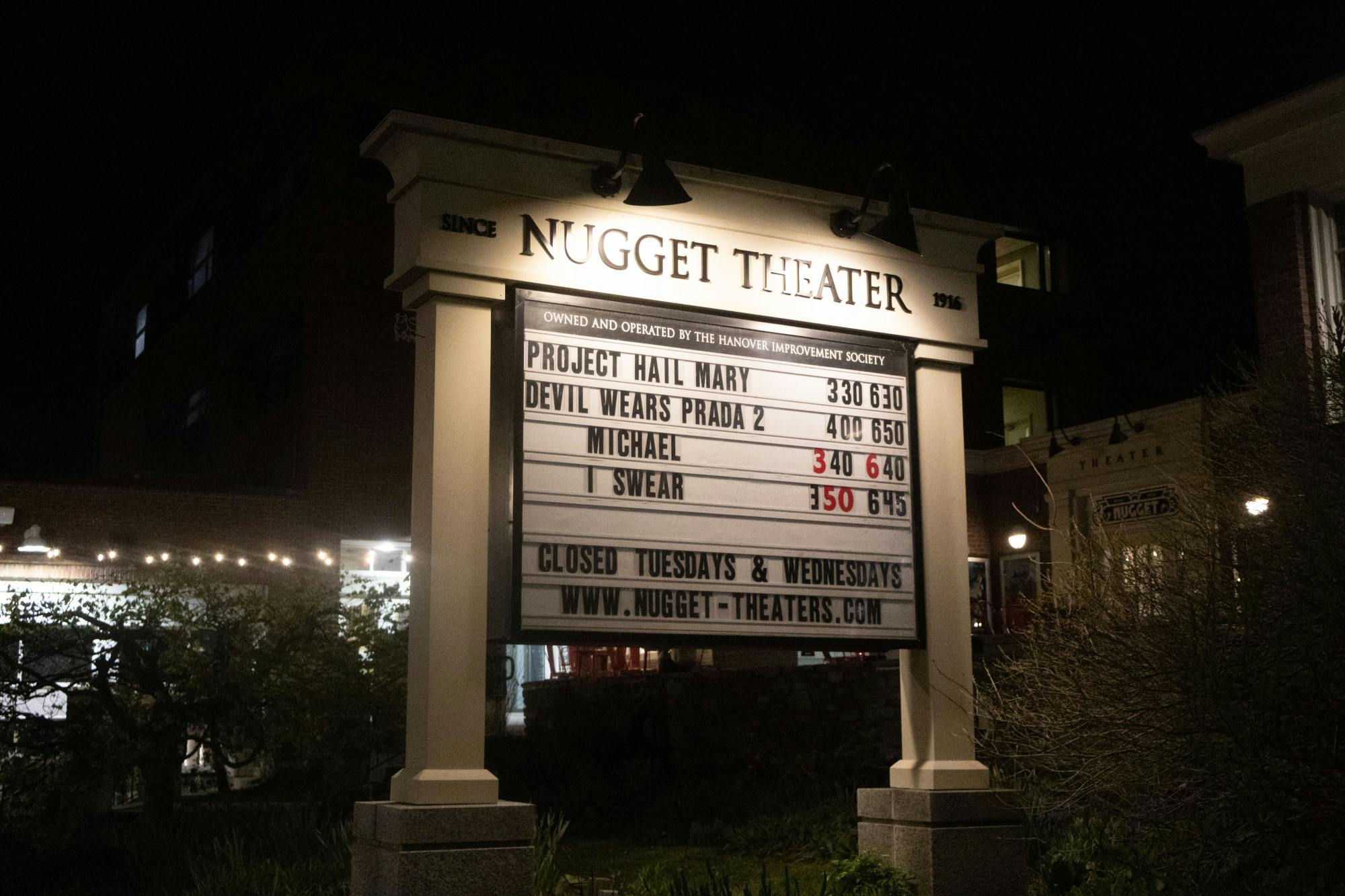
“Maybe some things have changed,” Andrea “Andy” Sachs (Anne Hathaway) mumbles upon re-entering the office of fashion magazine Runway, 20 years after leaving her job as personal assistant to editor-in-chief Miranda Priestly (Meryl Streep). “Some things” certainly have, and “The Devil Wears Prada 2” brilliantly captures the pressure that old-school franchises now face in a rapidly shifting digital economy.
At the same time, it’s a sequel that illustrates how much the fashion industry has stayed the same over the two decades since the original film. Runway may be different, but it is far from unrecognizable, and fans of the first film will be delighted by how the sequel’s returning cast, retro soundtrack and array of easter eggs pay homage to the 2000s classic.
The movie opens with a glimpse into Andy’s career as an award-winning investigative reporter. After being laid off from her job at a nationally-recognized newspaper, our protagonist finds herself returning to Runway — now, as a features editor rather than as an assistant. Priestly is still the editor-in-chief at the magazine, still obsessively scrutinizing every page with her creative director Nigel Kipling (Stanley Tucci) at her side. In her new role, Andy quickly remembers her many grievances with Priestly’s demanding style, but also gradually garners a begrudging respect for her boss’s business acumen. The stark differences between how Andy and Priestly approach a new age of fashion drive much of the film’s plot, delivering pointed commentary on why old-school business models have struggled to adapt to global shifts.
It’s this intense dialogue between past and present, and between continuity and change, that makes “The Devil Wears Prada 2” such an extraordinary lens into the state of fashion journalism. Modeling continues to play a key role in the industry, and both the spectacular glamor of high-profile galas and the traumatic bodyshaming of fashion workers remain as omnipresent in this film as in the original. At the same time, long-form magazine writing has been largely replaced by split-second digital media clips, and many of the worst excesses of Runway’s notoriously brutal working environment have been thrown out of fashion by HR regulations.
The tenuous job security of fashion journalists in the smartphone era is a recurring theme throughout the film. Industry-wide layoffs are a glaring, all-encompassing fear for every character, especially as Runway becomes the subject of a high-profile ownership struggle. One character claims that luxury retail is the only segment of the entire fashion industry that remains profitable. Another casually remarks that Runway may no longer need any human models or writers in the future, with all of the magazine becoming little more than a playground for generative AI.
Andy navigates these developments with the same kindhearted, soft-spoken diligence that makes her character so memorable in the original film. Her seemingly magical ability to turn failures into unbelievable successes, combined with her genuine compassion for friends and foes alike, pushes any viewer to root for her.
Meanwhile, Priestly seems to have matured considerably since 2006. The egomaniacal, arrogant boss who told Andy that “everyone wants to be us” has transformed into a resigned, unsure industry veteran. While still overbearing, demanding and relentlessly committed to her work, Priestly’s changing personality epitomizes how the formerly legendary figureheads of her industry have become more like vintage relics in a world dominated by Instagram rather than print features.
The film’s cinematography shines as bright as its glittering Chanel dresses and Valentino handbags. Even more than the original, “The Devil Wears Prada 2” effectively captures the hustle and bustle of the Big Apple through dazzling panoramas of the city’s skyscraper-ridden skyline, scrolling clips of speeding taxis and charming glimpses into iconic buildings like the Dior flagship store and the Waldorf Astoria. In addition, like the original movie’s interlude in Paris, the sequel briefly transports viewers to the Romanesque, Renaissance-era beauty of Milan.
While the cast traverses through different cities and shows, the film’s writing never ceases to grip the audience’s attention. Filled with shocking twists and hard-hitting dialogue, “The Devil Wears Prada 2” is a masterclass in how to write a drama that is sharp, elegant and yet believable. As with the original film, moments of dry humor are sprinkled throughout the action. The film manages to convey a powerful message about fashion journalism and an enticing narrative about intergenerational change without ever taking itself too seriously.
The one element of the film that I found somewhat wanting was its haphazardly developed romance. While the relationship between Andy and her then-boyfriend Nate in the original movie allowed viewers to grapple with the difficult question of balancing work with love, the romantic subplot of the sequel seems to function as little more than obligatory, emotional candy for the audience. While certainly wholesome and enjoyable to watch, I found that these scenes ultimately took away from the film’s broader messages about modernity.
And really, it’s those messages that make “The Devil Wears Prada 2” worth watching. The film’s throwbacks to the Y2K era will satisfy nostalgia seekers, but viewers of any age will have plenty of takeaways from the movie’s revelations into the turbulent world of digitalized fashion. By asking new and highly pertinent questions about an old, fading business model, “The Devil Wears Prada 2” defies the sequel curse and makes for a compelling addition to the Runway saga.
Jeremiah Rayban is a reporter and editor for The Dartmouth from Wilmington, Del., majoring in economics. Outside of The D, he enjoys reading, art and trivia.


