
Doctors and patients need information from clinical trials to make informed decisions about treatment methods, Sile Lane, director of campaigns for Sense About Science, which oversees the campaign, said in an email.
"When trial results are withheld, we cannot practice medicine safely and effectively," Lane said. "This huge international problem has been well-documented in the medical and academic literature for three decades now, but with little forward movement."
Tracey Brown, the AllTrials campaign co-founder, said she is optimistic about Dartmouth's support in a press release.
She expressed hope that Dartmouth's support might trigger more American organizations to get involved in the United Kingdom-based campaign.
Lane has high expectations for Dartmouth's role in the movement and urges individuals at Dartmouth to sign the AllTrials petition.
"We are sure that Dartmouth is going to work with colleagues at other medical schools to sign up thousands of people to the campaign," Lane said in the email.
The petition states that thousands of companies and researchers have not reported the results of their clinical trials. Over half of all trials have never been published, and those trials that yield negative results tend to be left unpublished more frequently. This underreporting leads to the loss of information that could prevent bad treatment decisions, repeated clinical trials and missed opportunities for good medicine, according to the petition. AllTrials calls on governments, regulators and research bodies to enforce the registration and full reporting of methods and results.
Geisel professor Steve Woloshin compared publishing clinical trial results to a game of darts.
"It's easier to draw the circle after you have thrown the dart," Woloshin said. "Registration at the inception of the trial requires that the outcome is exclusive."
Nearly 50 percent of clinical trials never get published, Woloshin said. Often, it is those unpublished trials that produce the most hazardous results, leaving participants uninformed after being exposed to the trials' harms.
The Food and Drug Administration requires all clinical trials to be registered, yet Woloshin said regulation is not always enforced.
Many major medical journals, however, only accept publications from researchers who have registered clinical trials.
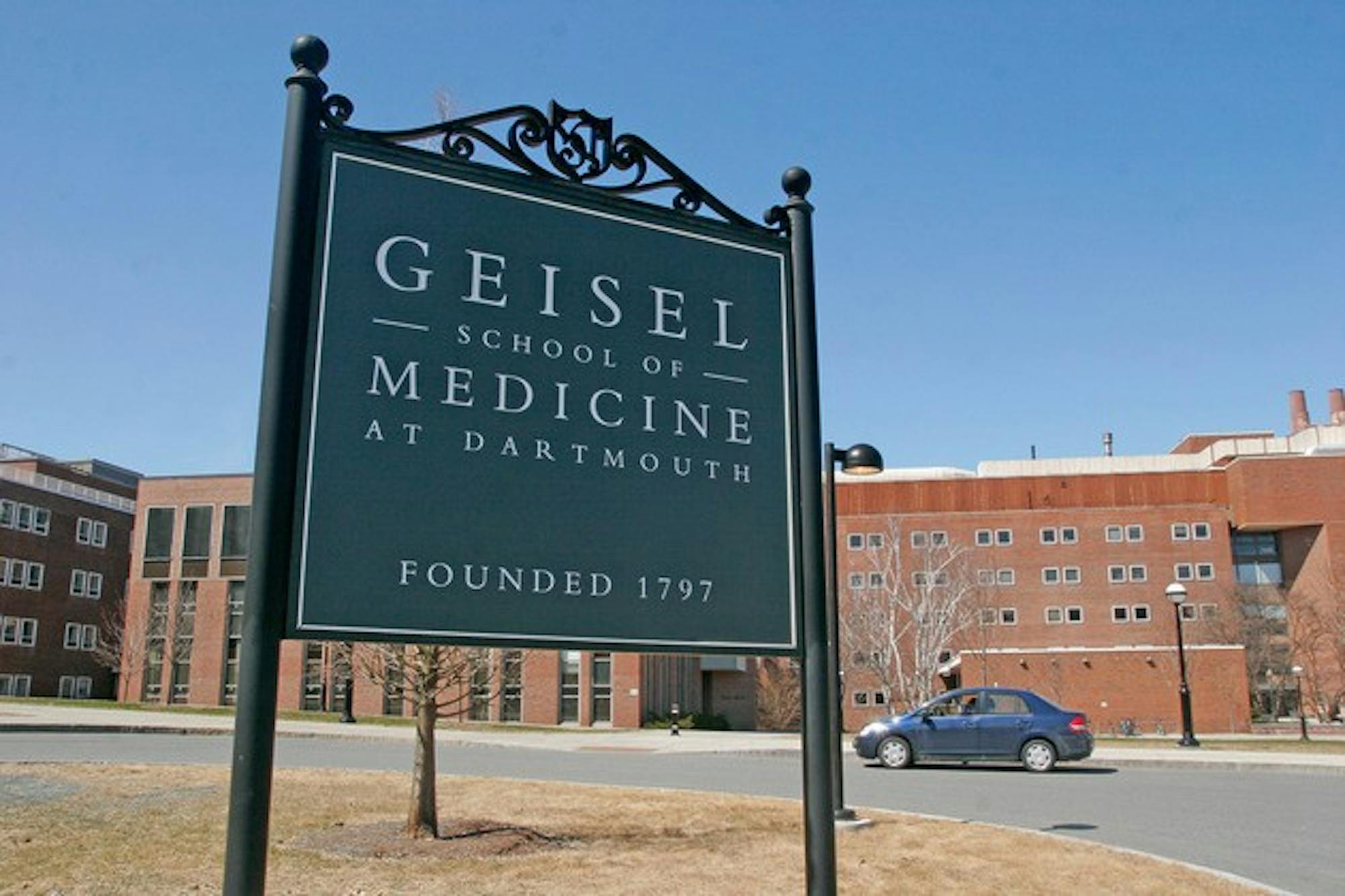
Geisel hopes to send a "strong signal" to the academic community by supporting the campaign, Woloshin said. The publicity Dartmouth generated by signing onto the campaign encouraged the National Breast Cancer Coalition, an advocacy organization devoted to breast cancer research, to join as well.
Elliot Fisher, director of the Dartmouth Institute for Health Policy and Clinical Practice, said in a press release that Geisel is proud to lead the AllTrials campaign.
"We urge academic medical centers throughout the world to join AllTrials' call for the registration and timely full publication of all clinical trial protocols, methods and results," he said.
Six medical and scientific organizations, including the British Medical Journal, Sense About Science, the Oxford Center for Evidence-based Medicine, Bad Science, the James Lind Initiative and the Cochrane Collaboration, launched in January in the U.K. In February, GlaxoSmithKline became the first pharmaceutical company to join the campaign.
Currently, 50,000 people and 300 organizations support the burgeoning movement.
"I think in a few years time we will look back in disbelief at the situation we have now," Lane said in the email. "The time is now for everyone in medicine patients, doctors, researchers and industry to stand up and fix this problem for good."


