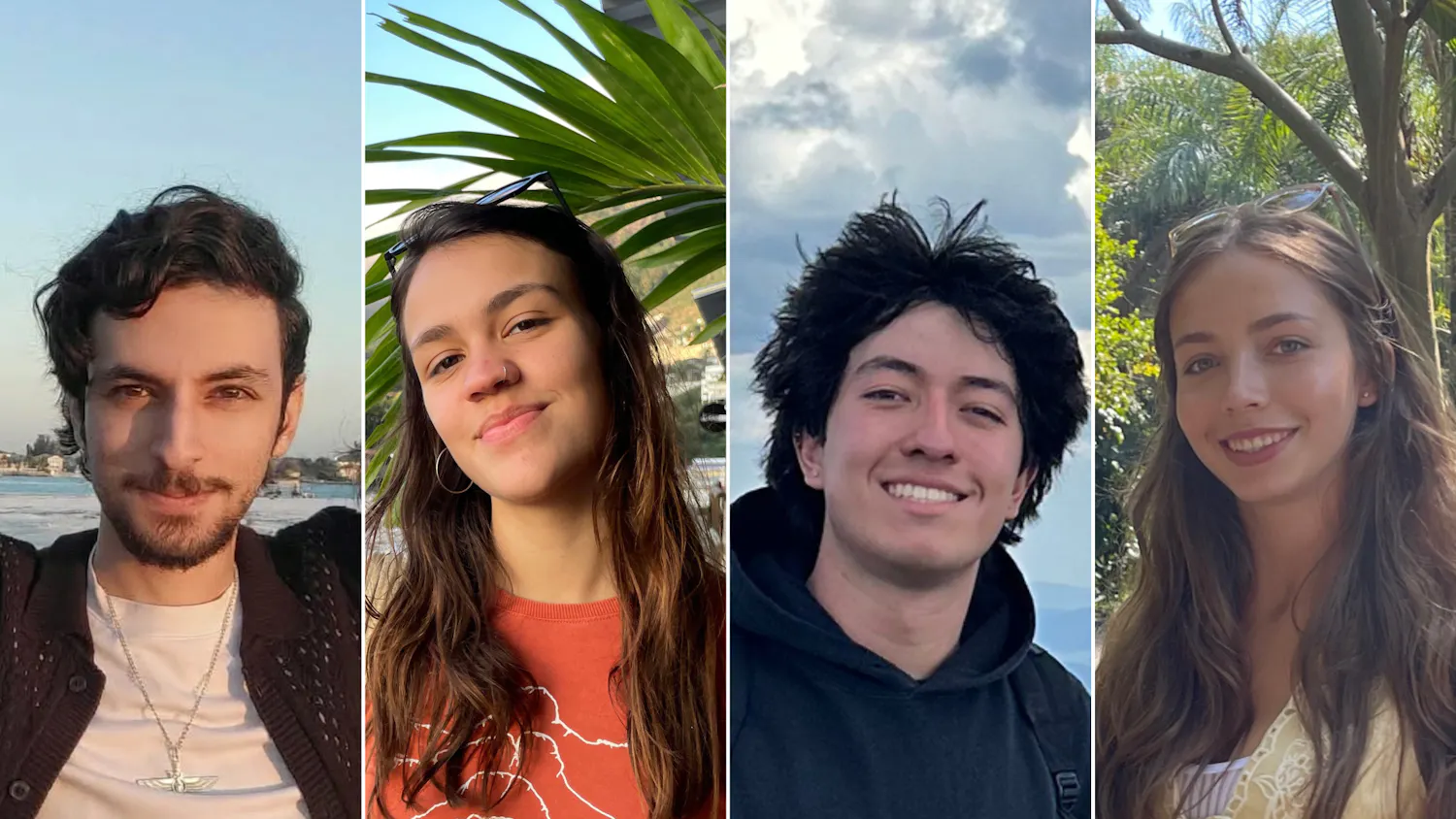
As Hanover slowly awakens from its winter slumber, springtime begins to nurture the seeds of transition for plants and pupils alike. Raindrops gently greet an old friend, the pavement, with a warm embrace. Grass reveals its new wardrobefresh, green and suitable for the season. Pleasant winds tickle the tree branches to life. Despite the sights and sounds of spring, the lamentations of seniors echo through campus.
Why the dismayed seniors? Is it the uncertain, unforgiving job market? The four-year-long seclusion in an ivory tower? Far from it. Simply and sincerely, seniors mourn their final days at Dartmouth College, the liberal arts environment responsible for both ruffling their feathers and giving them wings.
Dismal economic headlines, employers, and worried parents may warn us of the dangers of our liberal arts education. Ostensibly, the soft skills we glean from our education, such as communication and emotional intelligence, appear incongruent with the demands of the job market. Employment opportunities seemingly place a premium on pragmatic, hard skills like accounting or statistical analysis. But soon-to-be-graduates of liberal arts institutions can and do beat the odds.We tend to praise bilingual students who are well-versed in English and the technological tongue of computer programming for having keen foresight, for they have mastered and melded the twin cultures of art and science. Herein is the value of a liberal arts education. Our education gifts us with arguably the most valuable skill of all for the new conceptual economy: systemic thinking.
Designed to unfetter minds, a liberal arts education shocks, inspires and provokes students with interdisciplinary learning. Our education encourages us to ask the right questions rather than find the right answers. We begin to seek and construct patterns, connect the dots and think globally, which are fundamentals of systemic thinking. Moreover, we learn to harness the power of self-expression through vibrant debate inside and outside of class. We regularly practice the articulation of our ideas in writing, be it a science or humanities assignment. In the face of diverse instruction, peers and opinions, we shed our beliefs, renew our convictions and reform our habits. At Dartmouth, imagination is knowledge.
As the world evolves from the information age into the conceptual age, Dartmouth challenges its students to outpace and outperform their main competition: themselves. For instance, in this day and age, knowledge is generated at the mere stroke of a key. The first hit on Google or a Wikipedia backgrounder may trump the speed, accuracy and depth of human memory. Anyone with access to a search engine can inform himself or herself quickly and sufficiently. As a result, what you know is less relevant and impressive than what you can do with what you know, which requires conceptual, creative thinking. Big ideas matter, and those who can discover and convey them to the masses matter more. Hence the need for and significance of a liberal arts education.
Excitingly, the liberal arts model has tremendous opportunities for growth. The rise of interdisciplinary courses and fields, such as behavioral economics or the neurobiology of politics, will further cultivate systemic thinking. The inclusion of hands-on, project-based courses with direct real world applications will feed an appetite for innovative design and action. The prevalence of smaller, seminar-style classes will improve discussions and amplify students' confidence in their own voices. The expansion of co-curricular student discussion groups and public programs will expose students to diverse opinions and rationales. Each and every day, Dartmouth and its sons and daughters are making these opportunities a reality.
Dartmouth's unique setting and tightknit community have appealed to our heads and hearts, instilling a collective consciousness in its students to give back. To our families and friends, to our society, to the world that consistently inspires us and craves human ingenuity. To the environment, the liberal arts education, that has both swept us off our feet yet grounded us, both hurt us yet healed us, both pushed us to the corners of the planet yet pulled us closer still.
If you listen closely, seniors are not just grieving; they are rejoicing in Dartmouth, in the smarts of the liberal arts.