
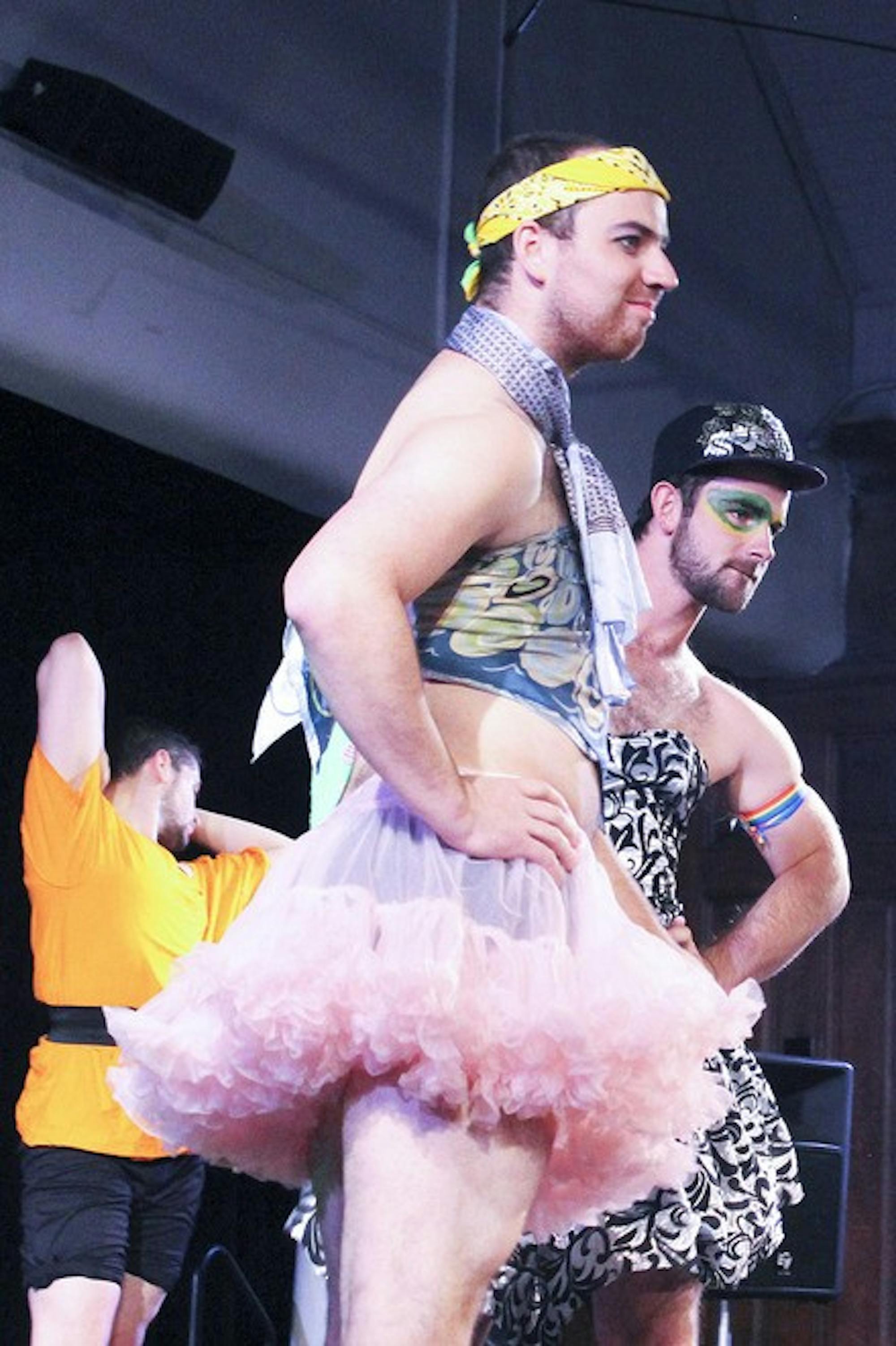
This year marks the fifth anniversary of PRIDE Week at Dartmouth, which was created in 2007 when it was believed that campus acceptance of LGBT issues had grown sufficiently to enable most of the student body to take part in the celebration, according to Advisor to LGBT Students and Assistant Dean of Student Life Pam Misener. Prior to 2007, student groups held other events during Spring term, such as "Gay May," she said.
"A growing number of people, in fact most people these days, have a broad awareness of sexual orientation and gender identity and the way these two things which are two things we all have integrate with whoever else we are as whole people," Misener said.
Celebrating LGBT identity fosters greater awareness, learning and growth, she said.
Typically, the week's most popular events include the opening CookOUT at Collis, the TransForm runway show in Collis Common Ground and the Dartmouth Gay, Lesbian, Bisexual and Transgender Alumni/ae Association dinner in Alumni Hall, scheduled for this Friday, Afrani-Sakyi said. New events this year included the Gay Cabaret, which took place in Bentley Theater and was "a huge success," as well as an OUT of the Classroom event, during which faculty shared their perspectives on LGBT issues, according to Afrani-Sakyi.
Smaller events, such as "Coming Out Stories" on Wednesday, will provide a more personal and intimate experience for attendees, Misener said. The planning committee hopes to present a diverse range of events for students and tries to tailor events toward LGBT issues that are prominent in the public consciousness each year, she said.
Last year, Dartmouth received a five-star rating in Campus Pride's LGBT-Friendly Campus Climate Index, which bases its rankings on criteria such as institutional commitment, support services, retention efforts and campus safety, according to the Campus Pride website.
Despite the ranking, PRIDE Week is important for fostering an environment that is welcoming rather than merely tolerant, Afrani-Sakyi said.
"Particularly if you're not an LGBT student, it's easy to forget that there are people who struggle with these issues," she said. "So having a PRIDE Week is a way to acknowledge and celebrate this part of people's identities."
Approximately 40 students are directly involved in organizing PRIDE Week, in addition to a number of students from peer-advising and cultural groups on campus who partner with PRIDE to plan specific events, according to Afrani-Sakyi.
The committee faced challenges in organizing its budget, coordinating with other organizations involved in the planning process and finding a location for the DGALA dinner due to the closure of the Hanover Inn, McGee said. The week's timing, typically in the middle of Spring term, is meant to encourage involvement by avoiding the busy period at the end of the term.
The week was also scheduled not to coincide with Cinco de Mayo and First-Year Parents' Weekend, he said.
Freshmen typically feel more comfortable becoming involved in the LGBT community during Spring term, while upperclassmen have the experience to contribute enthusiasm and new ideas in the planning process, according to Misener. Alumni, parents, community members, faculty and staff can also participate, she said.
"One of the major goals that we were trying to accomplish this year is getting everyone involved as much as they can," McGee said.
While the Special Programs and Events Committee provides much of the funding for PRIDE Week, the festivities also draw on funding from an array of administrative offices and student support organizations, Afrani-Sakyi said.
Other institutions such as Columbia University, Yale University and Amherst College celebrate LGBT pride with events throughout the year.
Columbia freshman Caitlin Lowell, the community outreach liaison for the Columbia Queer Alliance, said that Columbia and Barnard College partner for Queer Awareness Month, which is held annually in October and organized by a joint committee of student groups. Monthly "First Friday" fundraising dances and events with speakers who focus on LGBT issues are also very popular on campus, she said.
This year, Yale will hold approximately 35 events during its five-week celebration, known as "Gaypril," according to sophomore Hilary O'Connell, LGBTQ Student Cooperative president and pride committee chair. Events range from "small-scale discussions to large scale parties" and include a lecture about LGBT youth and mental illness, an art exhibited titled "Love Makes Family" and a panel on how Greek organizations and athletic teams can be "unconventional allies."
"The visibility and scale represent the feeling on Yale's campus about LGBTQ issues," O'Connell said.
Amherst College holds a pride week in the fall semester and an "allies week" in the spring semester, according to Pamela Stawasz, coordinator of LGBTQIA Student Support and Services at Amherst. Each week includes two to four events, such as educational programs, a dance party and tabling in the student center on campus.


