Further details about the composition and goals of the search committee will be announced in the coming weeks. The College aims to form a group similar to the committee that selected Kim three years ago and that included representatives from various "key constituencies," according to the release.
"Bill Helman brings extensive experience in recruiting leadership for a range of for-profit and non-profit organizations," Chairman of the Board Stephen Mandel '78 said in the release. "He appreciates the complexity of leading academic institutions and will do a great job in encouraging members of the Dartmouth community to share their thoughts about the qualities of leadership that will best serve the College."
Helman said that Mandel approached him for the position soon after Kim's nomination and was "thrilled and honored" to be considered for the role. The Board voted to confirm Helman's nomination soon after, Helman said in an interview with The Dartmouth.
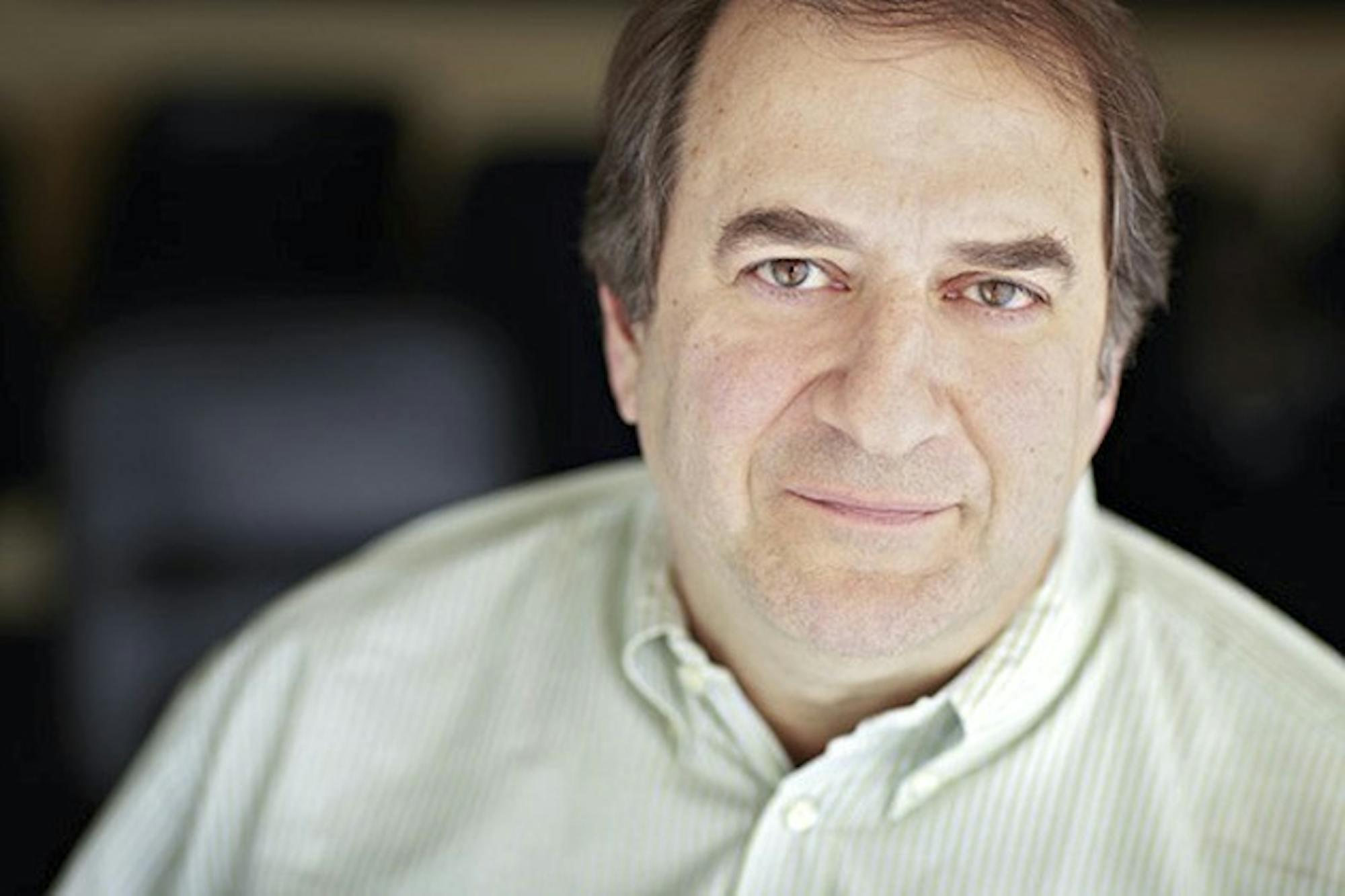
Helman, who has been a trustee since 2009, is the chair of the Investment Committee, which helps manage Dartmouth's endowment. He also serves on the board of Dartmouth-Hitchcock Medical Center. He has been a managing partner at Greylock since 1997 and also sits on the boards of the Harvard Management Company, Ford Motor Company, the Isabella Stewart Gardner Museum, the Damon Runyon Cancer Research Foundation, the Broad Institute, the Steppingstone Foundation and Zipcar. Helman majored in history and minored in economics as an undergraduate and received his MBA from Harvard Business School in 1984.
Taylor is currently the managing director of the investment firm Wolfensohn and Company and served as the superintendent of banks for New York State from 2003 to 2007. She studied economics while at Dartmouth and went on to earn her MBA and master's in public health from Columbia University. She has been a member of the Board since 2008.
Helman said he and Taylor are "very different" and will complement each other well. Helman said that they have argued in Board meetings before and will argue while on the search committee, but each has respect for the other.
"There's no question that we're aligned in the goal," he said.
Kim's presidency has included significant efforts to bolster Dartmouth's graduate programs, including the creation of his 20x20 initiative, which aims to propel the Geisel School of Medicine into the top 20 in the country by 2020. Both Helman and Taylor have experience working with Ivy League graduate programs Helman is currently a member of the Harvard Medical School Board of Fellows, and Taylor serves on the boards of the Columbia University School of Business and the Mailman School of Public Health. Helman is also the trustee representative to the Thayer School of Engineering Board of Overseers and the chair of the Geisel School of Medicine Board of Overseers.
Because Helman's role will be "more visible" than that of other search committee members, he will be responsible for representing the committee to the public, he said. Helman will also organize the committee's agenda and lead its meetings. Overall, Helman said that he is "laser-focused" on finding the best president possible for Dartmouth.
"We need to shoot very high," he said. "We need to take Dartmouth to the next level, building off the incredible institution that it is, but not being afraid to move ahead."
Helman said that his 30 years of experience with building companies and hiring senior-level leaders will help him with the active recruiting that will be required of the search committee.
"The candidate we're after is not likely looking for a job," he said. "You don't just passively look on the Internet and put into Google, Who's looking for a job?' and see what comes up."
The next step for Helman and Taylor will be to choose the rest of the members of the search committee, which will be modeled after the 2008 search committee and will likely include faculty members, trustees, a student and a Dartmouth graduate, according to Helman. The committee will represent a diverse cross-section of the Dartmouth community, Helman said.
"We want people that a candidate will look at and say, Wow, that's the kind of team I want to engage with,'" he said.
The search committee will "almost certainly" be finalized by the end of the Spring term, and a "more detailed and specific timeline" for the search process will be agreed upon by the committee.
Mandel said that while he cannot predict how quickly the search committee will select the College's next president, he expects the search process to be "smoother" than the search for Kim because the "political issues" that the Board faced in 2008 have since been resolved. The committee will compile a "search document" outlining the committees goals for selecting the College's next leader, based on the statement of the last search committee, Mandel said in an interview with The Dartmouth.
The 2008 leadership statement, which formed the basic criteria that the previous search committee used to select Kim, asserted that the next president needed to articulate a comprehensive vision for Dartmouth that would aid the academic reputation of the College and its professional schools while building consensus among students, faculty and alumni.
In addition to seeking a president with a strong resource-allocation strategy, the 2008 leadership statement emphasized the importance of allocating resources to strengthen Dartmouth's doctoral programs and professional schools Dartmouth Medical School, Thayer School of Engineering and the Tuck School of Business. The statement called for candidates with a commitment to graduate education and experience with graduate-level institutions.
The 2008 statement also contended that issues pertaining to the Medical School and the College's relationship with Dartmouth-Hitchcock Medical Center would "figure prominently in the president's agenda."
Mandel announced on Tuesday that Provost Carol Folt will assume the role of interim president on July 1 until the next president is chosen.