It costs an HIV/AIDS victim between $12,000 and $18,000 per year for anti-viral drugs, although producing a year's worth of drugs for one patient costs a mere $82, Kavanagh said.
"$33.4 billion a year is what we need to fight [HIV/AIDS], malaria and other tropical diseases around the world," he said.
More activists need to push for government funding and the establishment of global funds on a larger scale in order for the United States and other countries to provide adequate access to AIDS treatment, according to Kavanagh.
"There is money out there and there are ways to raise that money," he said.
The majority of individuals with infectious diseases like HIV/AIDS do not reside in the wealthier parts of the world, which undermines activists' fight for global health, Kavanagh said.
Kavanagh discredited excuses used by "people in power" to explain the lack of access to treatment. When the first official case of HIV/AIDS was reported in 1982, the U.S. government failed to spend money for treatment research until two years later, he said.
The U.S. government and public supporters did not initially fight as diligently to find a cure for HIV/AIDS as they did for other diseases due to the misconception that AIDS victims were primarily found on the outskirts of society, Kavanagh said. He labeled such individuals the "four H's" heroine users, hemophiliacs, Haitians and homosexuals.
"Global health is not just about science it's about questions of power and wealth and who counts in society," he said. "Marginalized people do not need marginalized treatment."
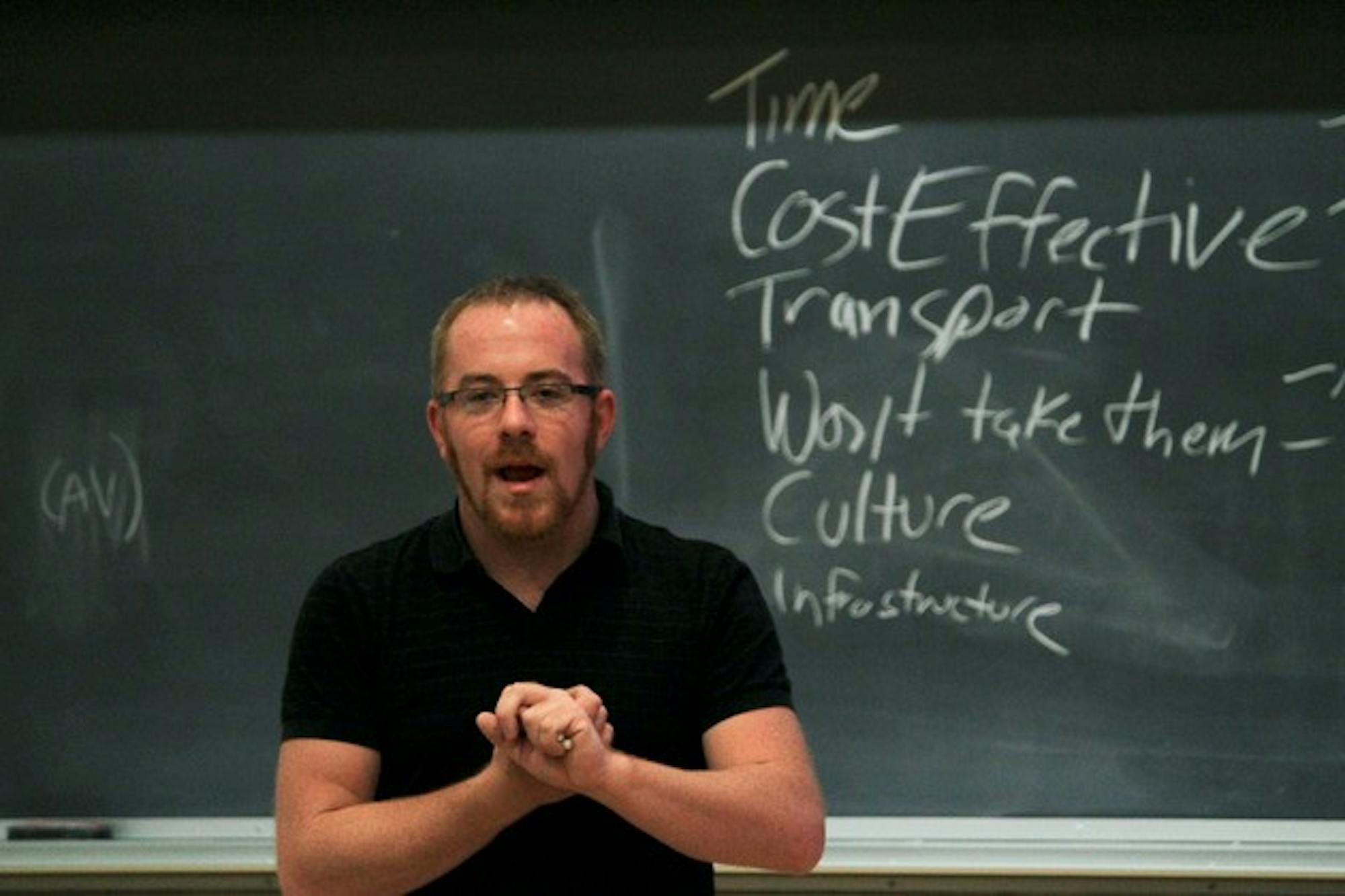
There are currently 15 million people in need of antiretroviral drugs, and many of those people are dying while they wait for governments to provide them with treatment, Kavanagh said. Many individuals in power claim that the lack of basic infrastructure in large parts of Africa inhibits access to such drugs, he said. The inability to transport medication, however, is a product of either apathy or ignorance, since companies like Coca Cola and Pepsi have had "no problem getting to these parts of the world," Kavanagh said.
Kavanagh emphasized the importance of leaders like College President Jim Yong Kim and Harvard Medical School professor Paul Farmer who cofounded Partners in Health in 1987. Both Kim and Farmer "broke the popular mentality" of providing poor people with second-rate treatment, Kavanagh said.
Education is also integral to controlling the spread of HIV/AIDS, although it is difficult to measure the progress of educational efforts, he said. Sex education does not guarantee effectiveness because many individuals learn about condoms but not about how to use them properly, Kavanagh said.