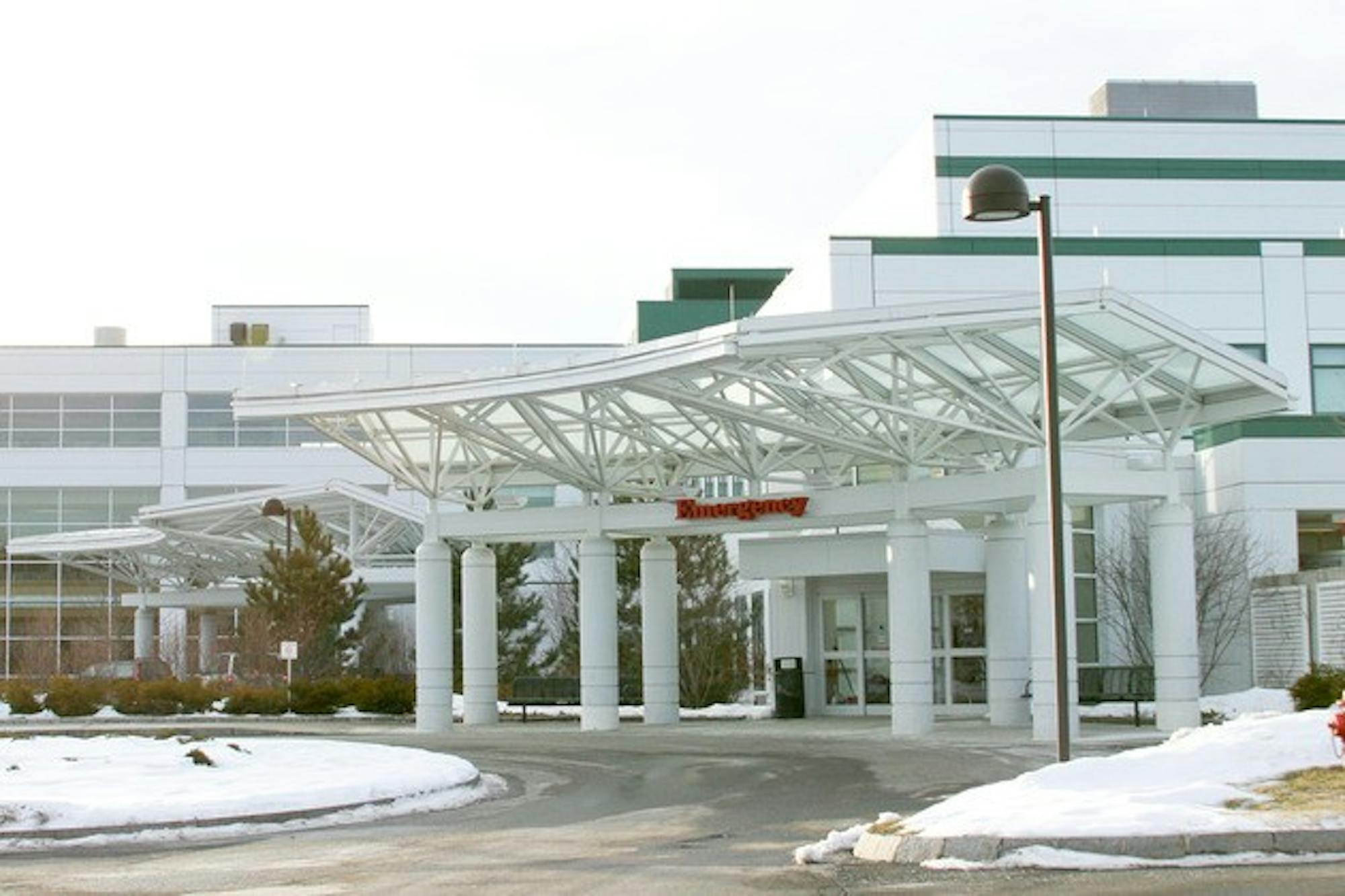
Lynch believes hospitals are the institutions within the health sector that are best equipped to handle the cuts, according to Colin Manning, Lynch's press secretary.
"In the health care system, the hospital is the one who can afford this the most," Manning said. "When you consider that according to their latest public filings, they generated more than $200 million in cash over expenses, they can certainly afford it more than the 40,000 people who receive care through Medicaid."
Although Lynch cited the hospital's considerable income as justification for the budget cuts, hospitals still cannot afford such a budget reduction, according to Andrea Alley, New Hampshire Hospital Association director of communications.
"Hospitals [in New Hampshire] gave $490 million worth of care to patients who either qualified for financial assistance or did not pay their bills," Alley said. "The state does substantially less than the cost of providing the care to Medicaid patients."
DHMC provided approximately $50 million in uncompensated care in 2010, according to Rick Adams, media relations manager for DHMC.
The New Hampshire state legislature finance committee began reviewing Lynch's budget proposal last week, according to Nordgren, a member of the committee. Under the current system, all hospitals receive funding for uncompensated care, but this amount is not based on the amount of uncompensated care that each hospital actually gives, Nordgren said.
An updated funding formula would allocate a greater proportion of state funding to DHMC because it is the state's largest provider of uncompensated care, but could still result in "unfortunate" losses for DHMC if state funding decreases overall, Nordgren said. The funds will still be used within the medical sector, according to Nordgren.
Funding for uncompensated care partially comes from the federal Disproportionate Share Hospital program, which compensates New Hampshire hospitals for patients who are uninsured or not fully covered by Medicaid, Adams said.
Although the future impact on the hospital is unknown, Lynch and DHMC share the common goal of providing more efficient health care at low costs, Adams said.
In addition to the budget cuts, Lynch also called for a moratorium on all new hospital construction projects. DHMC currently has three construction projects pending approval with the Certificate of Need Board, a state-run regulatory body that determines the suitability of health care services and facilities.
It is unclear whether these projects, which are in very early stages of development, will be affected by the moratorium, Adams said. Lynch is still discussing how to address proposals currently under consideration by the Certificate of Need Board, Manning said.
The largest of the proposed projects is an intraoperative imaging and surgery center that is principally supported by a $9.3 million grant DHMC received from the National Institutes of Health in May, according to Adams. The Thayer School of Engineering and Dartmouth Medical School have also pledged to contribute funding for this project, Adams said.
The facility will serve both clinical and research purposes, and will include a surgical suite that allows doctors to conduct MRI scans while the patient is on the operating table, Adams said. This will offer advantages in patient safety and efficiency, he said.
DHMC also has plans to construct two fixed clinical MRI units and an outpatient care facility in Lebanon, pending approval with the Certificate of Need Board, according to Adams.
"We're hopeful that it will adequately reimburse hospitals like us," he said.
Lynch criticized compensation for hospital executives as part of hospitals' excess expenses in his address.
"Hospitals get millions of dollars in tax breaks for being non-profits," he said in the address. "But according to their latest public filings, the top 200 executives of our 24 non-profit hospitals made a collective $60 million."
The trustees of DHMC set executive salaries, Adams said. A board compensation committee makes salary recommendations based on a number of factors, including "individual and institutional performance, achievement of key goals for the institution and competitive market data for comparable institutions around the region," he said.