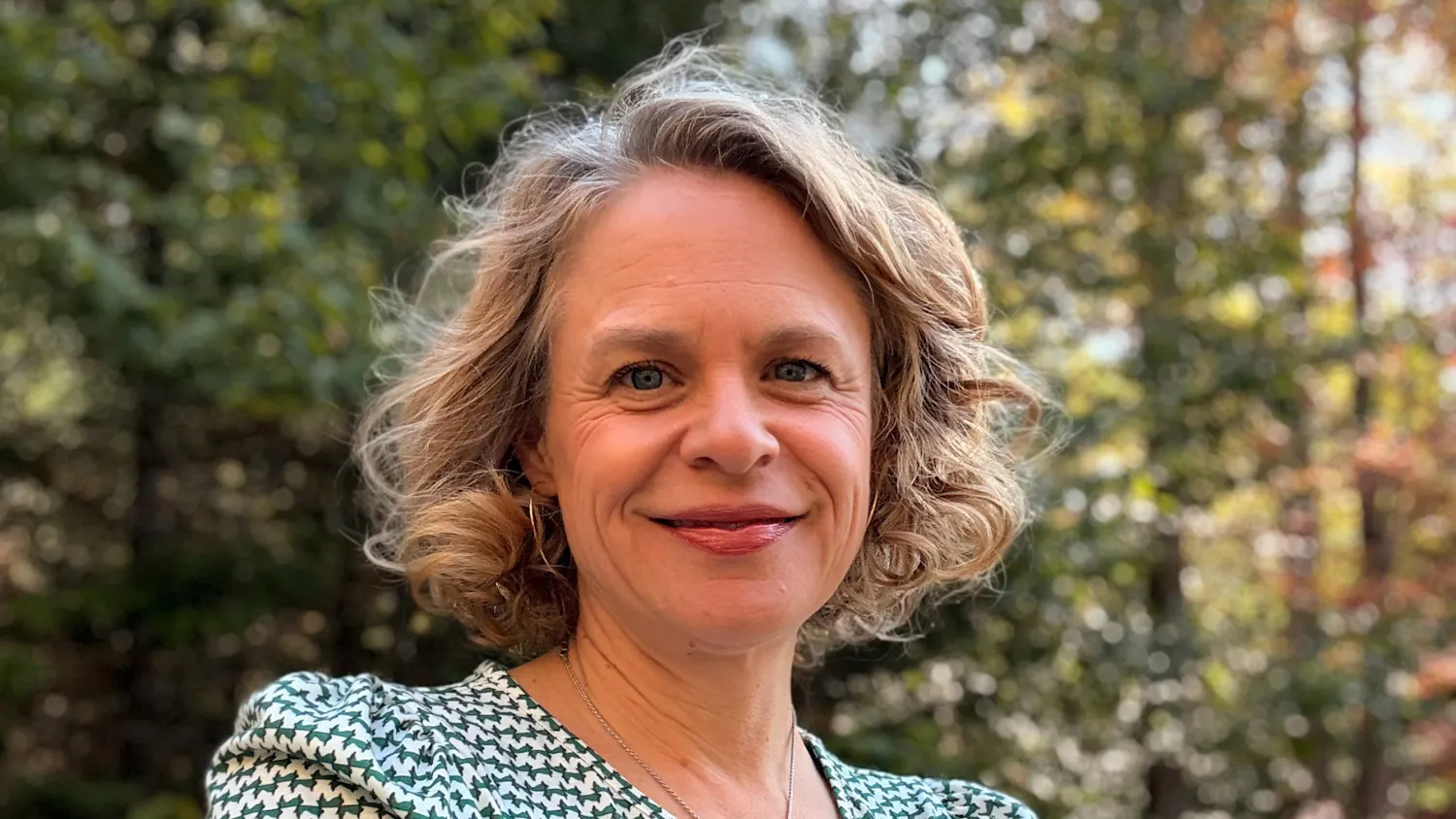
A new multidisciplinary minor centered on sustainability issues will likely be available by fall 2010, according to Anne Kapuscinski, the Sherman Fairchild Distinguished Professor of Sustainability Science. The minor would include new courses that focus on team inquiry as it relates to solving complex environmental and policy issues, Kapuscinski said.
In early December, Kapuscinski met with a group of faculty and students in a two-day workshop to brainstorm about goals and ideas for the new minor, she said.
"I spent Fall term developing a strategic plan for how we are going to design this minor and get input from interested parties around campus," Kapuscinski said. "We started coming up with draft ideas for a mission statement, learning goals [and] the beginnings of the outline of the curriculum of the minor."
The ideas discussed during the December meeting are still evolving, according to Jonathan Wachter '10, the program assistant for the creation of the new minor.
Wachter has been working closely with Kapuscinski and was one of the two students present at the December workshop, he said.
The minor does not yet have an official name because names like "sustainable sciences" and "sustainability studies" do not fully describe the course of study the team hopes to create, according to Wachter.
"We're trying to make it as interdisciplinary as possible," he said. "We don't want to limit ourselves with the name we choose."
Students who pursue the new minor will engage in "team inquiry and problem solving projects" that require them to work with people from many different disciplines, she said.
"We'll be looking at the social sides of sustainability, the economic sides of sustainability and the environmental, ecological sides of sustainability," Wachter said. "The goal is to equip people with real tangible skills."
Margi Dashevsky '10, who was present at the December workshop and has continued to play a role in designing the new minor, said the minor would fulfill the need for an "inherently interdisciplinary approach that's applied to real life issues."
Science for Sustainable Systems, a pilot course taught by biology professor David Peart last fall, could serve as a model for courses included in the future minor, Kapuscinski said.
Throughout the course, students gained relevant, tangible skills while role-playing as delegates from different countries attending a conference on climate change, she said.
The students learned how to use a simulation model employed by delegates at the United Nations Climate Change Conference in Copenhagen, Kapuscinski said.
"[The simulation model] is a very sophisticated tool that was widely used at Copenhagen," Dashevsky said. "It's not just a theoretical academic exercise. Its focus is on addressing issues that affect our generation."
The minor will incorporate contemporary issues by challenging students with real-world cases and encouraging them to interact with experts, Kapuscinski said. Students involved in the minor will potentially meet with speakers and have the opportunity to travel outside the classroom as a component of their study, she said.
"I think more and more people are attracted to the environmental studies department because of growing interest in these issues," Watcher said, adding that he hoped the sustainability minor would go beyond environmental studies.
The faculty and students involved in designing the minor plan to solicit input from a diverse group of people who would not usually be involved with facilitating a new minor, Kapuscinski said.
"After revisions, we hope to hold some forums on campus and allow people to come in and present, and receive feedback from anybody who is interested," Kapuscinski said.
The group working on the proposal plans to present its ideas to faculty from many different departments, Wachter said.
Although they are still developing the specifics of the minor curriculum, group members hope the minor will attract students from a variety of majors, Kapuscinski said.
"Most of the problems that you want to solve in sustainability challenges can't be solved [with] skills and knowledge from just one discipline," Kapuscinski said.
Designing a new minor in sustainability will allow educators to empower the next generation of leaders, Kapuscinski said.
"Everybody needs to be better equipped to move away from unsustainable patterns of behavior," she said.