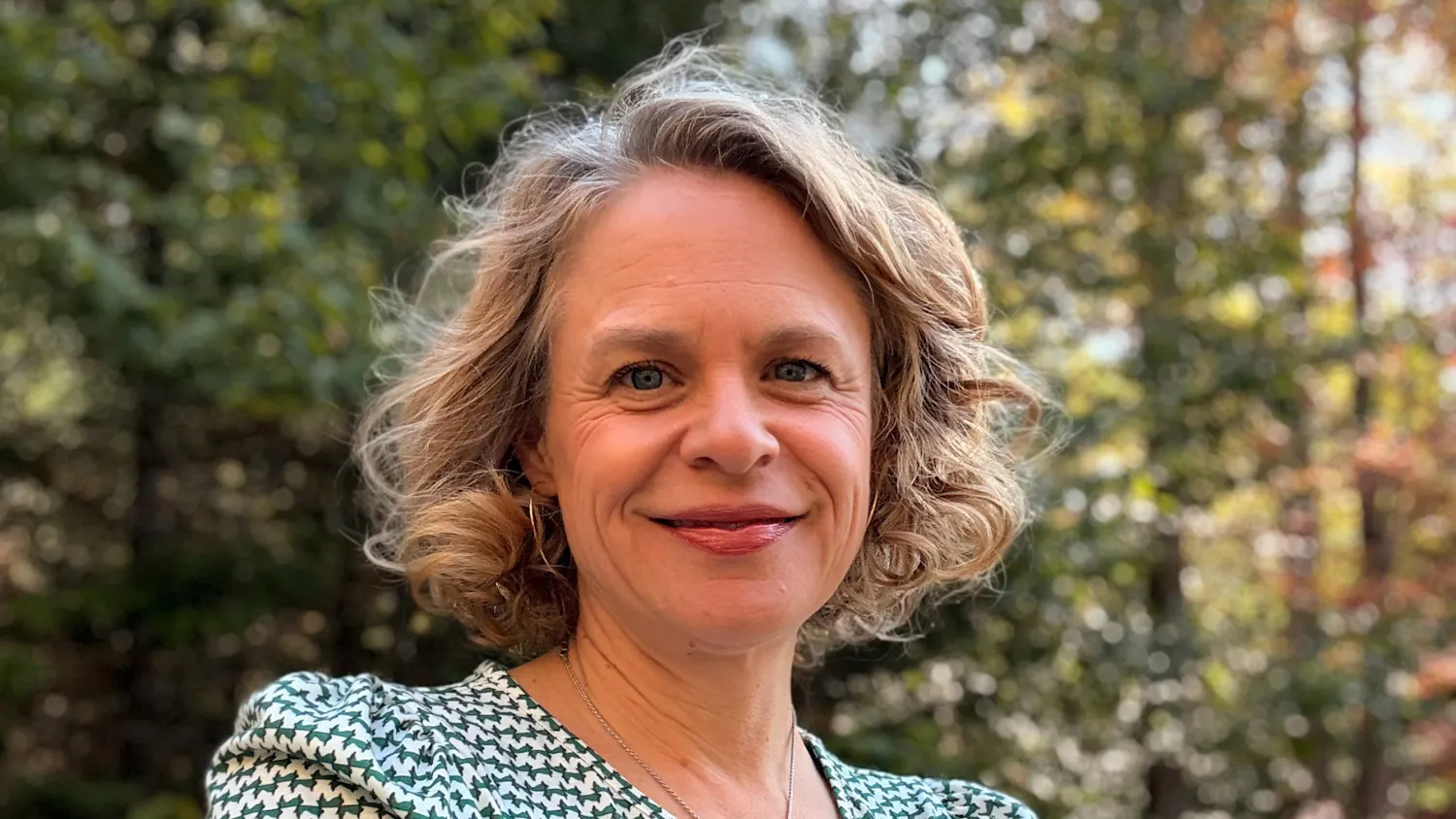
Medical centers around the country must alter their continuing medical education practices to improve the overall health-care system and ensure that medical professionals are free from bias, according to Richard Rothstein, associate dean for continuing education at Dartmouth Medical School, and Mary Turco, director of the Center for Continuing Education in the Health Sciences at Dartmouth-Hitchcock Medical Center.
The doctors spoke at a DHMC Grand Rounds event on Thursday in a lecture called "Continuing Health Sciences Education in the Era of Health-care Reform."
Rothstein emphasized the need to reduce lecturing and increase active engagement in classes.
"Too much continuing education relies on standing here as a talking head," he said.
Clinicians should also incorporate new knowledge into their practices instead of relying on familiar but potentially less effective practices, according to the speakers.
Many government and medical leaders question "the value of continuing medical education credit and accreditation in assuring valid content free of commercial bias," Rothstein said.
The lecturers also highlighted the need for a revised relationship between health-care professionals and industry. Ties between the two groups may lead physicians to adopt biased views or prevent health professionals from utilizing the most effective learning techniques, Rothstein said.
"A lot of people are asking physicians to examine what they're doing in regard to their relationship with industry," he said.
DMS and DHMC have instituted new policies to monitor industry relationships and prevent conflicts of interest, Turco said. Company representatives can no longer influence the selection of a topic for a speaker and companies cannot fund speakers at Dartmouth-accredited activities.
"Transparency and disclosure go a long way," Rothstein said in an interview with The Dartmouth after the lecture.
The Mayo Clinic and Stanford Medical Center are also revising their conflict-of-interest policies, the speakers said.
Medical education centers should look towards other institutions, individuals, the government, professional societies and philanthropic groups as an alternative to industry funding, the speakers said. Medical centers should also implement more cost-benefit analysis into their operations to ensure cost-effectiveness, they said.
Dartmouth's Continuing Medical Education program has received full accreditation through 2011 from the Accreditation Council for Continuing Medical Education. The Continuing Nursing Education program has received full accreditation through 2015 from the American Nurses Credentialing Center's Commission on Accreditation.
"It's a wonderful thing that our nursing program earned this honor," Turco said. "It means the program is doing an outstanding job."
The speakers underlined the importance of patients in structuring how the Center operates during the interview with The Dartmouth following the lecture.
"We just want to emphasize that DMS and DHMC are dedicated to creating a culture that is patient-centered," Turco said. "That culture informs the way we conduct our education, enterprise and academic mission. Patients are at the heart of the matter when we're planning our educational activities. It's not about compliance as it is more about culture and patient-centered care."