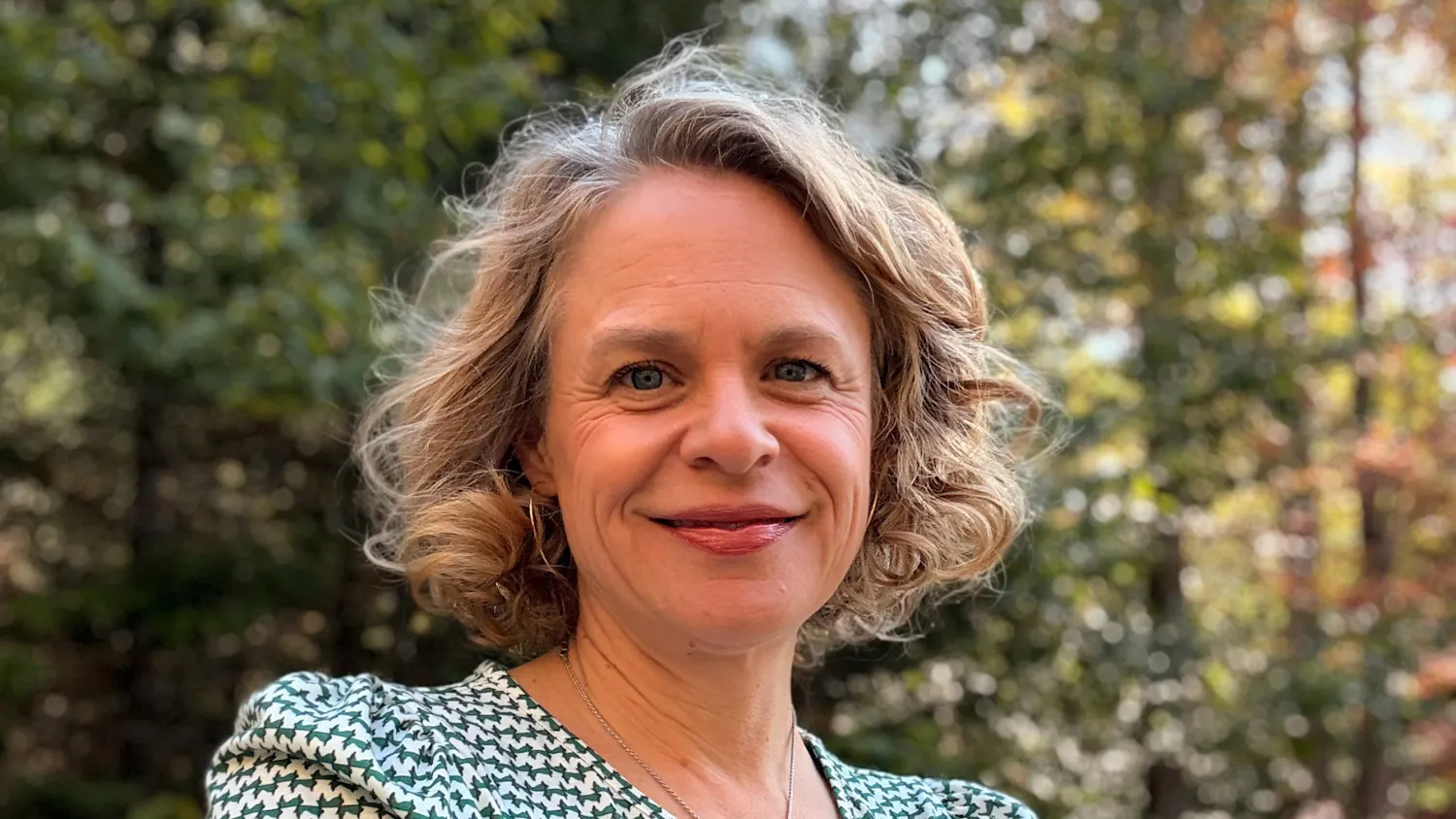
Earth sciences professor James Scott, who led the earth sciences department's geobiology group, suffered a fatal heart attack in his Hanover condominium on Jan. 11. Scott was 48 years old, and had worked for Dartmouth since 2006.
A memorial service for Scott, who was born in Little Rock, Ark., will be held at Dartmouth in May. Scott's funeral will take place early next week in Milwaukee.
"We will always remember his ever-present smile, his unique and engaging view of the world, and the passion he had for his work and sports," Carl Renshaw, the chair of the earth sciences department, said in a statement posted on the department's web site.
Scott's research at Dartmouth focused on the effects of pressure on anaerobic microbes, Renshaw said in an interview with The Dartmouth. By proving that some microbes could survive both extreme levels of and drastic changes in pressure, Scott's research supported a theory that microbes first reached earth on a meteorite, Renshaw said.
Scott was also assisting NASA on a mission to Mars scheduled for next year, according to Renshaw's statement. The project will search for compounds that form the building blocks of life.
Stefani Ruper '10 recalled Scott's dedication to his research as well as his supportive nature. Ruper had worked as Scott's lab assistant in the geobiology laboratory since summer of her sophomore year.
"It was clear from how much time he put into [his research] how much he loved it," Ruper said. "He was also really incredibly supportive to me as an [undergraduate.] He took me under his wing."
Bogyi Banovich '11, who had planned for Scott to be his major adviser, said he remembers Scott's expansive knowledge on the subject of geobiology.
"He was unbelievably interested in what he was doing and could talk at amazing length about it," said Banovich.
Earth sciences professor Mukul Sharma has volunteered to teach Scott's Evolution of Earth and Life class for the remainder of the term.
Future plans for the geobiology laboratory have not been made, Renshaw said.
Before coming to Dartmouth, Scott was a postdoctoral researcher at the Carnegie Institution of Washington in Washington, D.C.
Researcher Anurag Sharma, who met Scott at the Carnegie Institution in 1999, said he most remembered Scott's creativity during their research together. In one instance, the pair were working on a project but found no commercial microscopes powerful enough were available. Sharma and Scott bought spare parts to build a specialized microscope of their own, he said.
"We had some wonderful adventures," Anurag Sharma said. "He was an absolutely wonderful guy."
Prior to his death, Scott had been working with Anurag Sharma on an article for Nature Magazine, which Anurag Sharma said he hopes will be published before Scott's memorial service.
"The paper is pretty much written, so it's just a matter of polishing it up," said Anurag Sharma.
Sam Keller, Scott's younger brother, said he was proud of Scott's research at the Carnegie Institution and Dartmouth.
"He got national exposure for a lot for his work," Keller said. "We're proud of what he accomplished and we're going to miss him a lot."