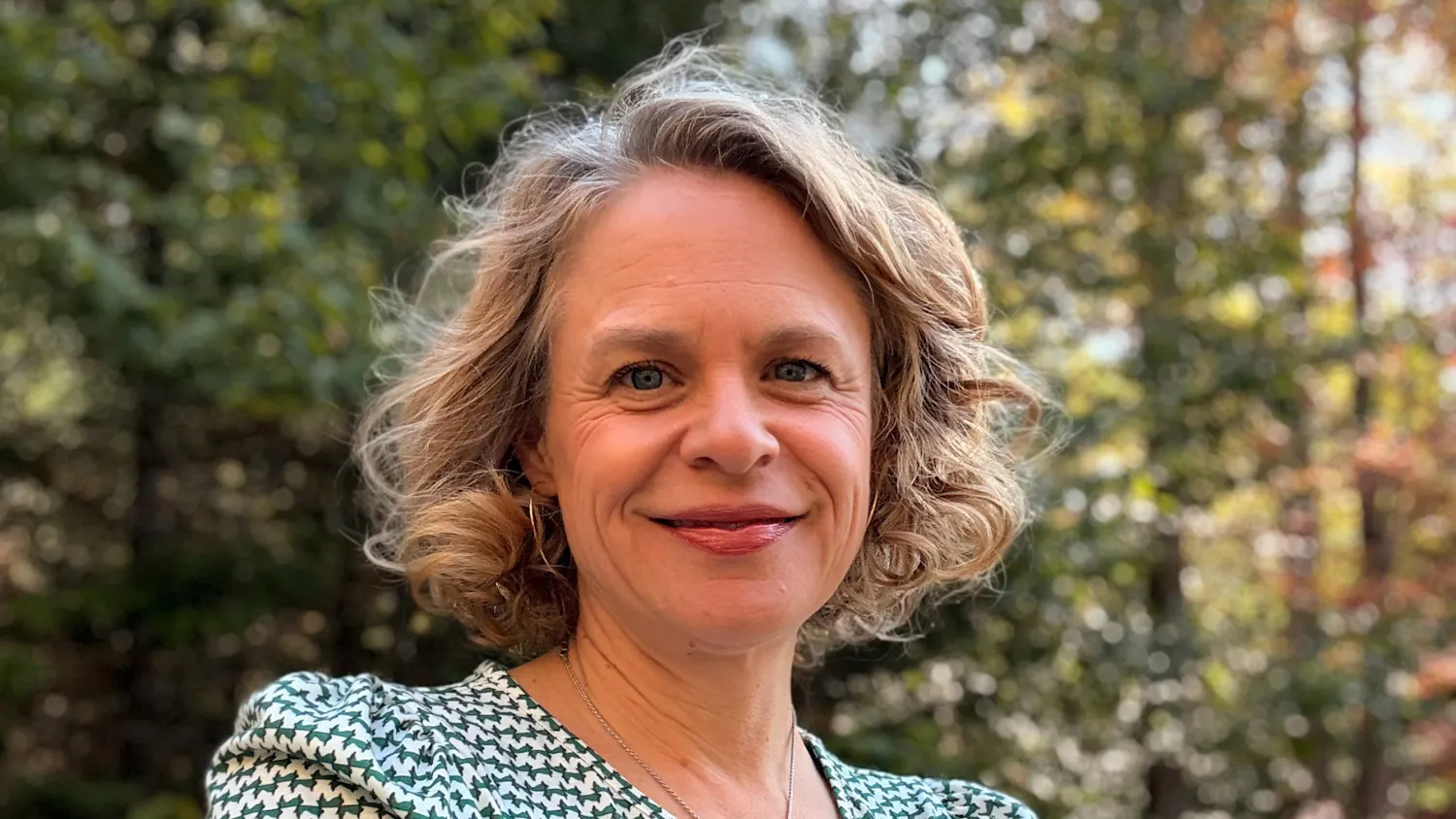
"We felt like Dartheart had gotten to a point where the system could be adapted to support survivors at other colleges," Olson said. "Its structure is generational, so that many of the people who will be founding these new chapters got involved as Dartmouth undergraduates."
Two of the new chapters at Harvard and UPenn will be run by students who participated in Dartheart as students at the College. After graduation, the students moved near the schools where new chapters will be formed, and they will now serve as advisers, Olson said. The other two will be run by recent Brown graduates who had a long distance involvement with the Dartmouth chapter.
Since Dartheart's founding, the network has served as a support system for approximately 10 students each term, according to Olson. Student participants have experienced a range of traumas, and include war veterans and victims of domestic violence, sexual assault and abuse, she said.
Much of Dartheart's financial support comes from national fundraisers, donations from local businesses and merchandise sales from its web site, Olson said. The organization received state non-profit status in 2008 and federal non-profit status in April 2009, which means the group is now tax exempt. Dartheart does not have a full-time staff, and relies on volunteers to advise groups and put together their educational and promotional materials, she said.
Dartheart has a five-member executive board composed of Dartmouth students and alumni, and an advisory board of psychological professionals who specialize in trauma counseling, she said. Olson said she feels that Dartheart's success stems from the fact that it fills a "missing link" in the support systems available for survivors of trauma who suffer from PTSD.
"There are other services available that deal with the basic needs and one-on-one therapy for trauma survivors," Olson said. "The health care system, by design and for good reasons, can be very anonymous, but often PTSD isolates people and makes them feel very alone, and Dartheart provides an opportunity for group support for and from people at all stages of recovery."
Dartheart is unlike traditional support groups, she explained, because it combines group support and mentoring with opportunities to spread awareness about PTSD as advocates once participants are ready.
"A college setting is really prime for the structure of Dartheart," Olson said. "People who are at a certain point in their healing process can really benefit from facilitating change and mentoring other survivors."
At Dartmouth, Dartheart has worked with the office of the Dean of the College's Office and Safety and Security to discuss preventative policies and methods to support students who have been victims of trauma. The program also developed resources for administrators and professors that explain how to identify and support students with PTSD.
Olson said that in addition to directly supporting students with PTSD, Dartheart aims to address misconceptions about the disorder and teach people who are not suffering from it, but interact with those who are, about how to deal with challenging situations that can arise from PTSD.
"There are a lot of misconceptions about PTSD that can be harmful for people suffering from it and minimize others' understanding of the problems survivors face and the support they need," she said.
Olsen said that while she wants Dartheart's leadership to focus on the new chapters, she thinks that they can expand to other campuses and in other directions in the future.
"We'll have to continue to increase our sources of funding, but the Dartheart model is relatively low cost," she said. "It's also a grassroots model, so that individuals at different campuses can adapt it to suit their community's needs. I think individual chapter will continue to grow as well, because it's our hope that watching the work that people are doing on their campus will inspire survivors who are isolated to feel more comfortable participating in a group support system."