
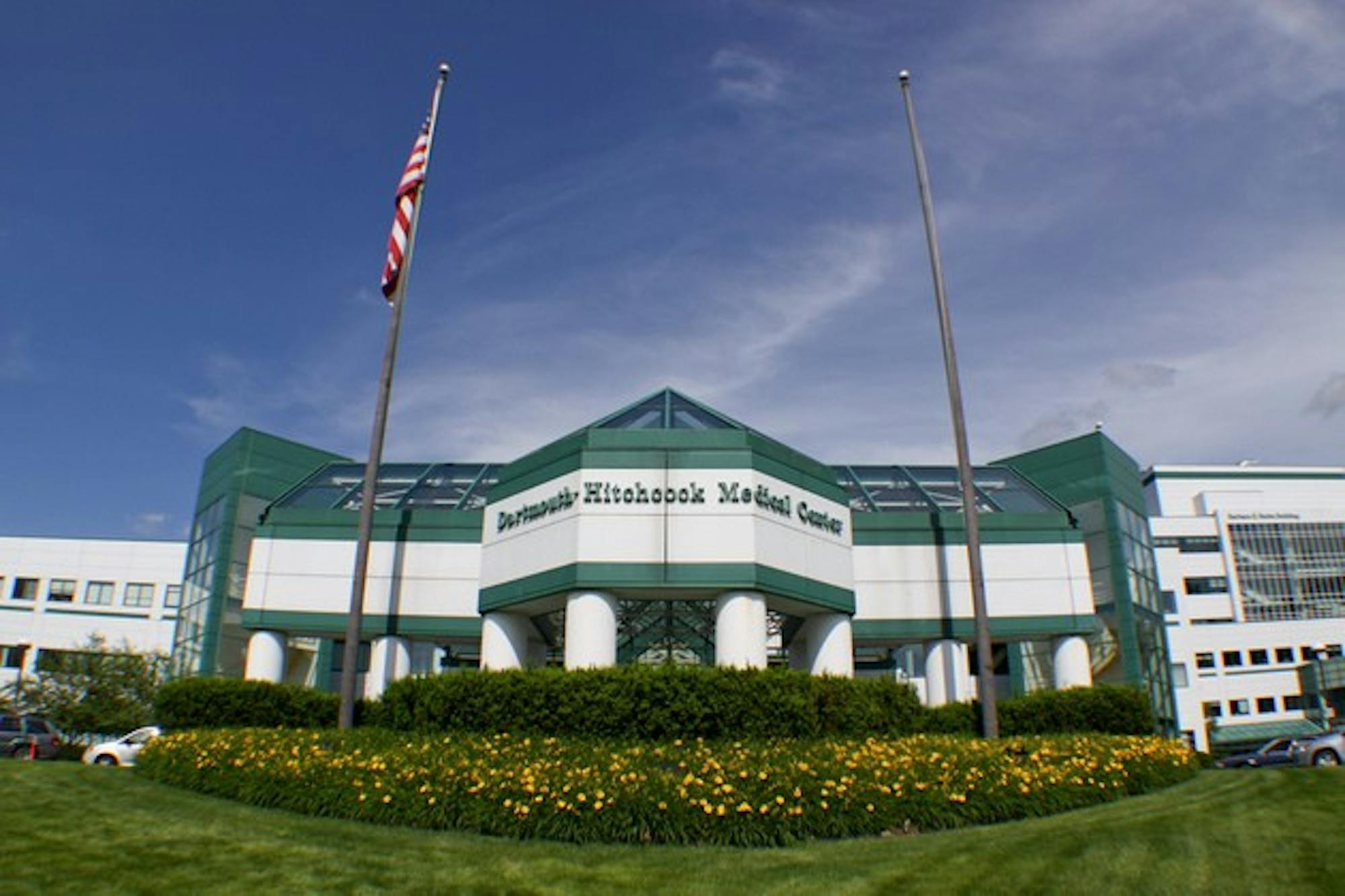
The hospital and the clinic are both part of the Dartmouth-Hitchcock Medical Center.
The new system will increase the availability of specialized care in the region and will increase efficiency among local health care providers, by increasing communication and availability of specialists to participating centers and the sharing of information, and shortening redundancies in services, Aldous said.
"Individuals who see health care providers participating in Dartmouth-Hitchcock Health won't see their basic experience of going to their regular doctor change, but they should have an increased access to the assets of an academic medical center," Aldous said.
Under the new system, hospitals will be able to share personnel and equipment and patients will have increased access to clinical trials, he said. Hospitals will be able to coordinate with each other to determine whether it is most efficient for patients to travel to the most appropriate doctor or whether medical professionals should come to the patients. While such collaboration has previously occurred on a case-by-case basis, implementing Dartmouth-Hitchcock Health would formalize it, Aldous said.
"Patients and medical centers will see better value for services provided, because patients might be traveling less so they'll be recognizing savings in that sense, and the system also will reduce redundancy and lower overall costs. Both factors then can drive costs down over time," Aldous said.
Dartmouth-Hitchcock Health will be led by Tom Colacchio, currently president of the Dartmouth-Hitchcock Clinic.
"We plan to integrate research, education and the delivery of health care to provide each person in our region the best care, in the right place, at the right time, every time," Colacchio said in a statement announcing the formation of Dartmouth-Hitchcock Health.
Dartmouth-Hitchcock Health will encourage providers to seek input from researchers at the Dartmouth Institute for Health Policy and Clinical Practice, Dartmouth Medical School and the College on how regional hospitals could adopt reforms, Aldous added.
"Nationally-recognized research from the The Dartmouth Institute shows that the most effective, efficient and appropriate care is delivered by systems such as Dartmouth-Hitchcock Health," Colacchio said in the statement released Monday. "High-value integrated systems not only lead to reduced costs, they also, most importantly, provide better care for patients."
Dartmouth-Hitchcock Health will be a holding company without its own employees or revenue and will not have specific governing powers over member groups, Aldous said.
DHMC and the Catholic Medical Center in Manchester are also in the process of negotiating a formal collaborative affiliation agreement, The Dartmouth previously reported.
While both institutions confirmed they were discussing an affiliation, Aldous explained that it was a separate arrangement from Dartmouth-Hitchcock Health and that the two institutions only intend to formalize their ongoing exchange of personnel and resources.
DHMC previously participated in the Dartmouth-Hitchcock Alliance, now known as the New England Alliance for Health, an organization that focuses on helping its members lower costs through collaborative purchasing. Dartmouth-Hitchcock Health, however, has a much broader focus, seeking to address "population health" instead of only helping medical centers lower their costs, he said.
Although Dartmouth-Hitchcock Health will likely expand to include other regional health care providers, it does not currently have plans with any specific groups at this time, Aldous said.


