
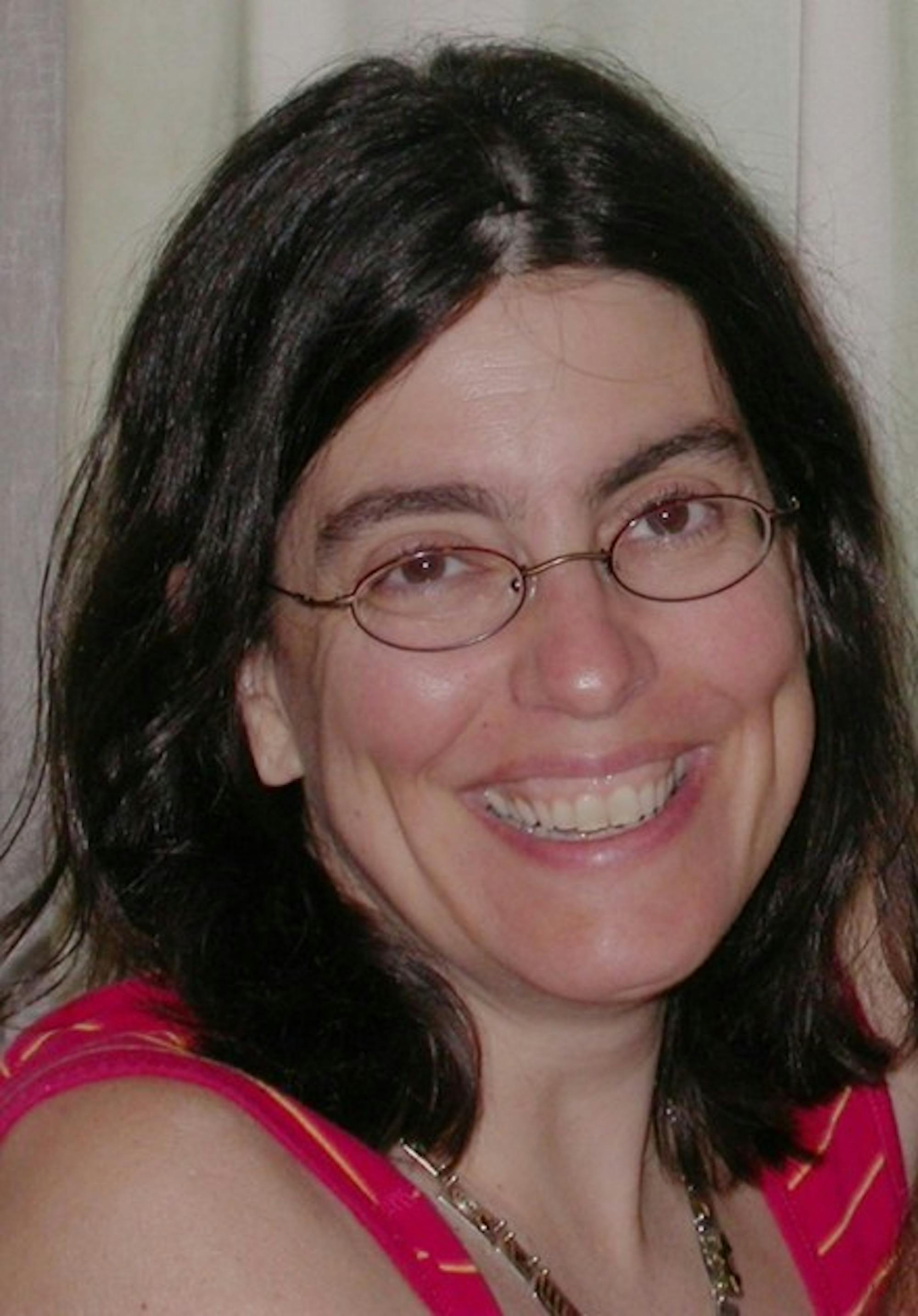
The doctors' research proved that MRI scans detected tumors missed by mammograms in three percent of the 969 female research subjects who were diagnosed with cancer in the other breast. The doctors involved in the study concluded that an MRI scan is a more reliable tool to detect second cases of breast cancer than mammograms. The failure of mammograms to immediately detect cancer in the other breast often results in women having to go through two rounds of chemotherapy.
"It's demoralizing to women to find out that they have cancer at one time and then find out later on that they have it again," Pisano said. "We hope that women who have breast cancer in both breasts will get more timely treatment for their second cancer."
Economic considerations pose one of the greatest challenges to the widespread use of MRI screenings. The cost of breast MRIs, which ranges from $1,000 to $2,000, is about 10 times greater than that of a mammogram. Despite the research, difficult insurers will attempt to "delay, delay, delay" their payment, Pisano said. Such a cost will also keep the MRI option out of reach for the 45 million uninsured people living in the United States.
Pisano continues her work in leading a team of researchers in her "biggest project," a study of 50,000 women in the United States and Canada that found digital mammograms to be more effective in detecting breast cancer in young and pre-menopausal women than film mammograms. Pisano began to work on this study in 2000 and hopes to complete it by 2008.
Pisano always wanted to be a doctor, and graduated from Dartmouth with a degree in philosophy.
"I knew that I was going to do science for the rest of my life and wanted to do something different in college," Pisano said of her major.
She wrote her senior thesis on informed consent in medicine, before attending medical school at Duke University School of Medicine.
After losing her mother to breast cancer at age 15, Pisano also knew that she wanted to work in women's health and cancer research. Today, Pisano is the director of the UNC-Chapel Hill Biomedical Research Imaging Center, the new vice dean for academic affairs at the UNC-Chapel Hill School of Medicine and a Kenan professor of radiology and biomedical engineering.
Pisano graduated from medical school in 1983 and did her residency at Beth-Israel Deaconess Medical Center, a Harvard teaching hospital in Boston.
Pisano met her husband, Dr. Jan Kylstra '79, at Dartmouth. He is also a graduate of the Duke University School of Medicine and runs a private ophthalmology practice in Chapel Hill. The couple's daughter, Carolyn Kylstra '08, also headed to Hanover for college. (She is a member of The Dartmouth Staff.)


