Since entering office in January 2025, the Trump administration has striven to “reshape the post-World War II international order” through its foreign policy, according to the Brookings Institution. The Dartmouth spoke to community members about President Donald Trump’s foreign policy record, including the administration’s actions around Venezuela, Greenland and Iran.
The Trump administration’s foreign policy has increasingly come into focus since Jan. 3, when the United States Special Forces captured Venezuelan president Nicolás Maduro in an overnight raid in Caracas. The intervention followed a series of actions and threats against Venezuela since August 2025.
Government professor Lisa Baldez said the intervention was driven by “oil interests” and a desire to “hamstring the Cuban government.” Prior to being ousted, the Maduro government shipped 7,000 barrels of oil a day to Cuba, according to PBS NewsHour.
“There [is] a coalition of interests pressuring the administration to do various things,” Baldez said. “[Secretary of State] Marco Rubio, I think, has had his sights set on Cuba for a long time.”
Landon Parrish ’29, who is from Alabama and intends to major in music, said the Trump administration’s foreign policy has been “damaging.” Parrish added that he felt that the White House’s intervention in Venezuela was “unlawful and uncalled for.”
“Despite the fact Maduro was a dictator, it gives the president no right to interfere in any way,” Parrish said. “In my opinion, I believe he did it out of a desire to hold control over Venezuela.”
Alejandro Menendez ’27, an economics and government major from Puerto Rico, said the intervention in Venezuela was a “net positive” for the United States.
“When you look at it purely from an American-first standpoint, the Venezuela operation was a success,” Menendez said. “It might be in violation [of] the UN Charter on the sovereignty of states, [but] the United States … [is] asserting more control over its backyard.”
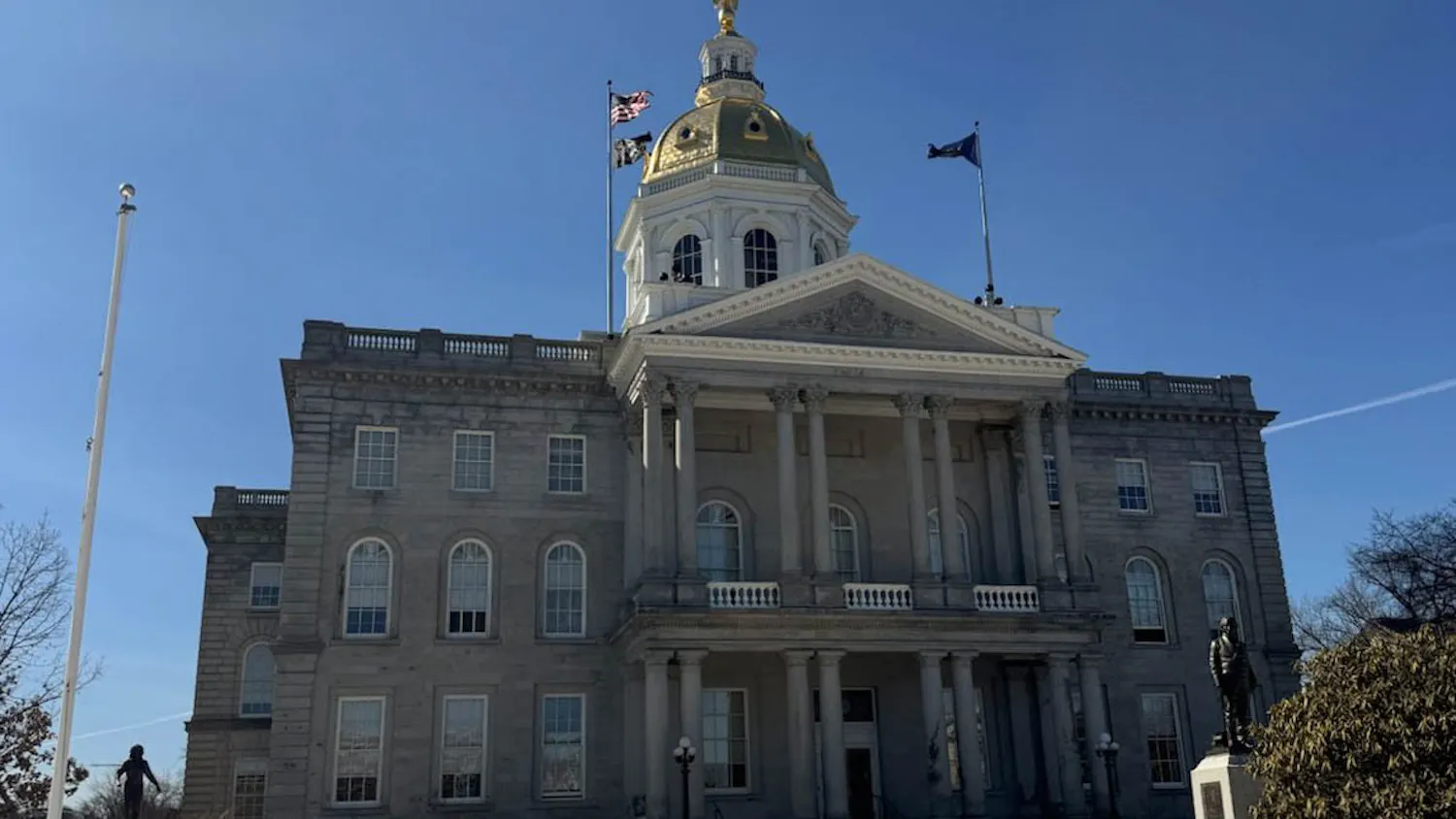
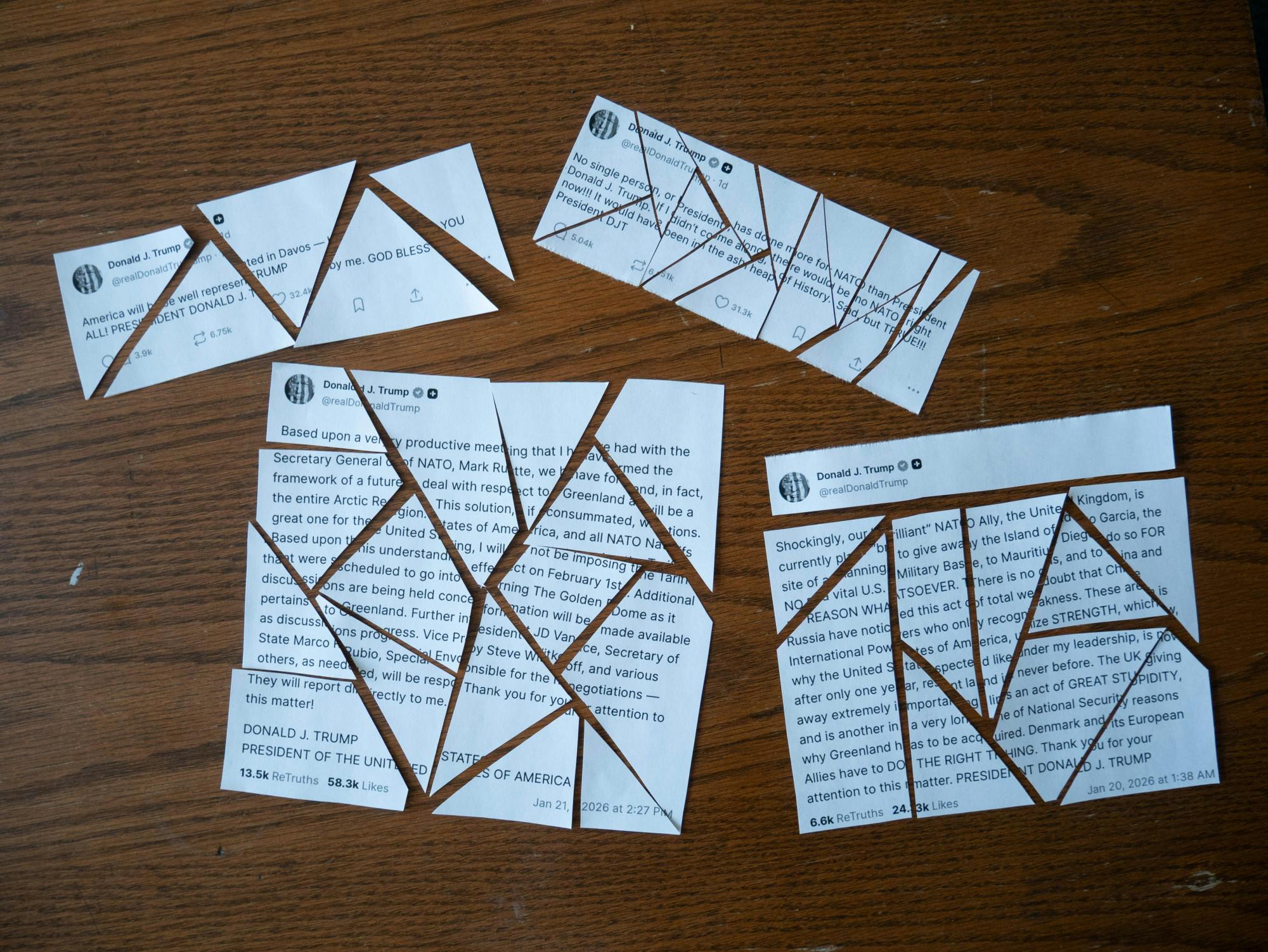
History professor Jennifer Miller, whose research focuses on U.S. foreign relations post-1945, said Trump is “extremely comfortable with [using] large displays of force” against foreign nations. As an example, she pointed to the White House “threatening force” against Denmark to purchase Greenland.
Miller added that Trump’s ambitions to acquire Greenland stem from his “worldview that alliances like NATO are inherently extractive.” Denmark and the United States are both members of NATO.
“I see the NATO question factoring in here is how Trump thinks about Greenland in the first place,” Miller said. “There is this element of like, ‘I'm going to show NATO 'we don't care about you.’"
Menendez said he was “strongly in favor of buying Greenland,” but said he opposed using force to take the island.
“I think that [buying Greenland is] a great choice in the long run for American access to the Arctic or simply just America’s economic development and the economic development of the island itself,” Menendez said. “But I do think that taking it by force would be a step too far.”
Jesse Dong ’26 said Trump’s involvement in Greenland was “non-democratic.”
“He’s trying to solidify America’s position, but instead it’s making us look silly,” Dong said. “It’s horrible, it’s inflammatory.”
Parrish agreed, adding that he felt that “there’s no reason” for the United States to acquire Greenland.
“We have military bases there, we are okay,” Parrish said. “It’s likely to me that someone close to him likely wants Greenland for resources or to circumvent some U.S. law.”
Government professor Bernard Avishai — who specializes in Middle Eastern politics — said that America’s “naked self-interest” was behind “every action” made by the Trump administration.
“It’s a Darwinian, even fascistic idea of how you operate in the world,” Avishai said.
Avishai said that “a massive bombing campaign” against the Iranian government would not be “a bad thing.” However, he added that he did not think Trump would start a war against Iran.
“I’m not sure why one would start the war … it may just be more of the same,” Avishai said. “Trump may manage to squeak out of the regime some kind of deal on nuclear weapons … and then he’d call a big press conference and say, ‘great victory.’”
Dartmouth Conservatives president Jack Coleman ’27 called Iran a “terrorist state.” He said he wished the United States “had done more to get involved there.”
Iran “has nothing but the worst interests of the United States in mind,” Coleman said. “And anything that we can do to limit the power of Iran, I think is absolutely beneficial.”
Speaking more generally, government professor Stephen Brooks said the Trump administration has “a mistaken view” of the “current international system.”
“The kind of international system that the U.S. created after World War II … has served U.S. interests incredibly well,” Brooks said. “The entire approach of the U.S. [under] Trump right now is incredibly strategically misguided.”
Laila Ayala ’28 and Iris WeaverBell ’28 contributed to reporting.