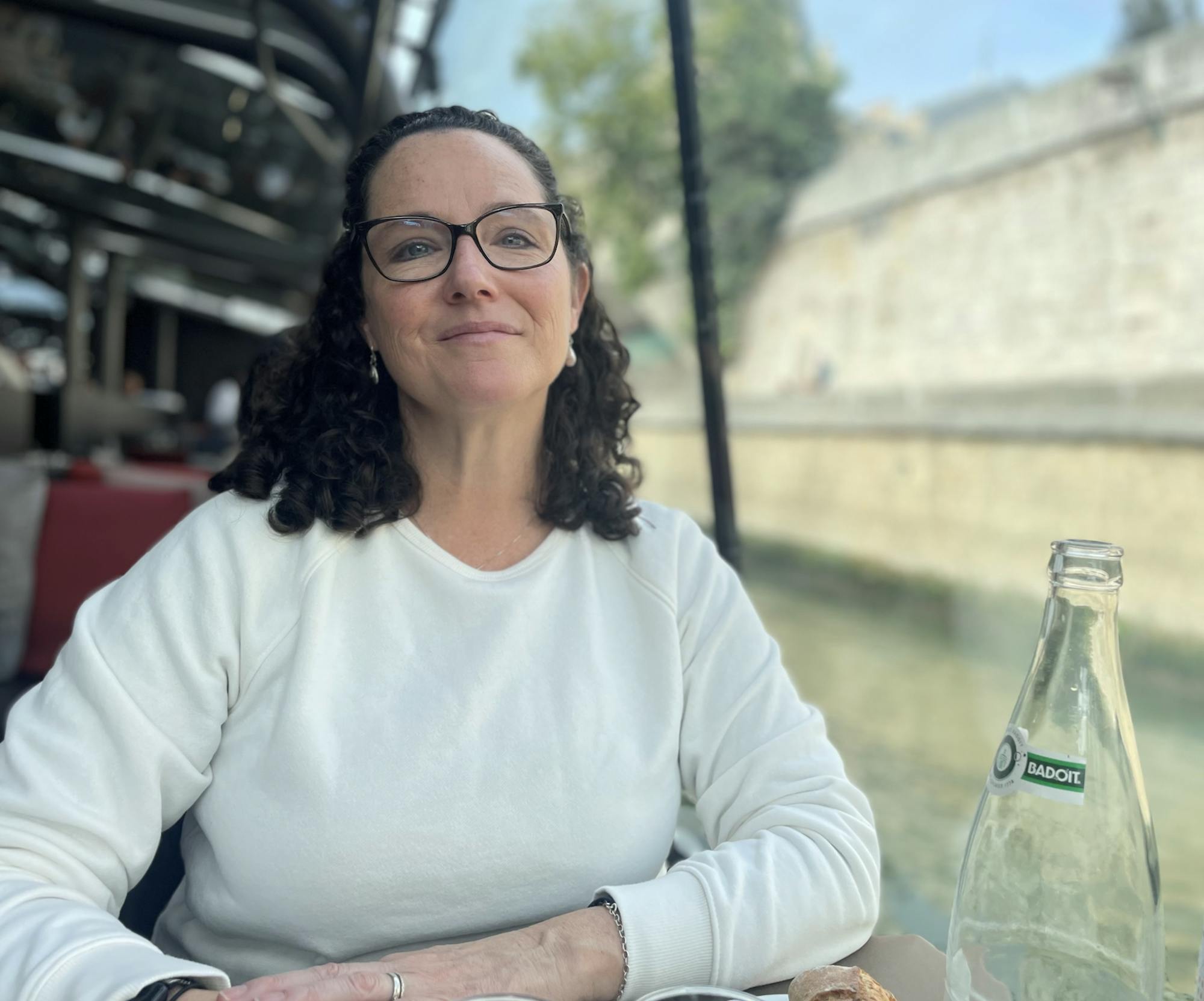
The College has introduced a new institutional registrar position as part of the introduction of the School of Arts and Sciences, an administrative restructuring of the undergraduate college. Beth Dowling, who was previously a dean at New England College, began the role on Oct. 27.
Dowling’s new role consists of coordinating the College’s school-based registrars, who assist with enrollment, course registration and transcript provision among other services. She will also work on data reporting and legal compliance. The Dartmouth sat down with Dowling to discuss her background and priorities as institutional registrar.
What are your biggest priorities going into this role?
BD: What I’ve been working on is really starting to understand the institution and especially its different schools. I’m really interested in making sure the institution is serving students well across all of the schools in as efficient and compliant a way as possible.
You've served at other universities as dean of academic operations, associate dean and registrar. What did you take away from your time in those positions, and what aspects of your experience will help you in your new role?
BD: I’ve been really lucky because I’ve been able to do a lot of different things. If I had to bookmark it, I would say that I spent a lot of time doing academic support, academic advising and direct service work with students.
Then I worked in the registrar’s office, behind the scenes. The registrar’s office was an opportunity to impact more students with good processes and systems than I could individually, one on one with students. So the registrar’s office, policy compliance — things that sound boring — I actually find interesting.
Vice Provost Kenya Tyson noted that this office “fills an essential need for institutional-level coordination and policy implementation among all our school-based registrars.” How do you plan to approach this coordination across Dartmouth’s schools?
BD: My style is one where I don’t want to break things. I want to learn what’s working at Dartmouth. Each individual school has their own unique needs. If there are ways to align those, I’d love to find those opportunities. If you have systems in place that are working for everyone, you can focus your time and energy on the things that make each school different and address those needs because usually those take more time and energy.
Your doctoral degree in higher education administration focused on how liberal arts institutions adapted to the pandemic. What findings from that research will inform your work at Dartmouth, as institutions navigate post-pandemic challenges?
BD: With the pandemic, a lot of institutions reduced the amount of class time for students. And so my question was, “What was the most important thing that instructors found about education?” For me, the biggest takeaway was how to promote and support good instruction. That goes beyond having good policies. How do you make policies straightforward for students and faculty? How do you support and promote change within your processes in ways that will help people make the choices that really do lead to the best learning outcomes for students?
What external factors or trends, such as the Trump administration’s push for admissions and academic requirements in exchange for federal funding, could shape your work in the near future and how will you respond?
BD: A lot of the conversation has been more grant-focused under the Trump administration, but the federal financial aid that schools receive in the forms of loans and free aid also comes with strings. There’s a lot of reporting that needs to be completed and structures that need to be in place.
Things are pretty dynamic right now. Being aware of the implications of any new policies or compliance obligations that come from an administration is always something that we have to keep an eye on, but especially now that things are happening so quickly.
It has been one week since you have started at Dartmouth. What have been your first impressions of the Dartmouth community? What has surprised you the most or excited you the most about joining Dartmouth?
BD: I was at my last institution for 15 years. When you come to a new place, you really are dependent on people to share information and things with you. I’ve found that the Dartmouth community is incredibly welcoming and supportive.
Candidly, I’ve never worked at an institution that has such a selective population. I’m excited that education is education everywhere, and connecting students and faculty and trying to make the educational experience better is something that is just as important here as it might be elsewhere.
This interview has been edited and condensed for clarity and length.