Whereas many of Vreeland's previous books depict the lives of famous painters, "Clara and Mr. Tiffany" relates the story of a relatively unknown artist, Clara Driscoll, who worked for the Tiffany Glass and Decorating Company in New York at the turn of the 20th century.
Spanning the years 1892 to 1908, Vreeland's story centers on the experiences of the Tiffany Girls a group of women led by Clara who served as factory workers in the Tiffany Studio.
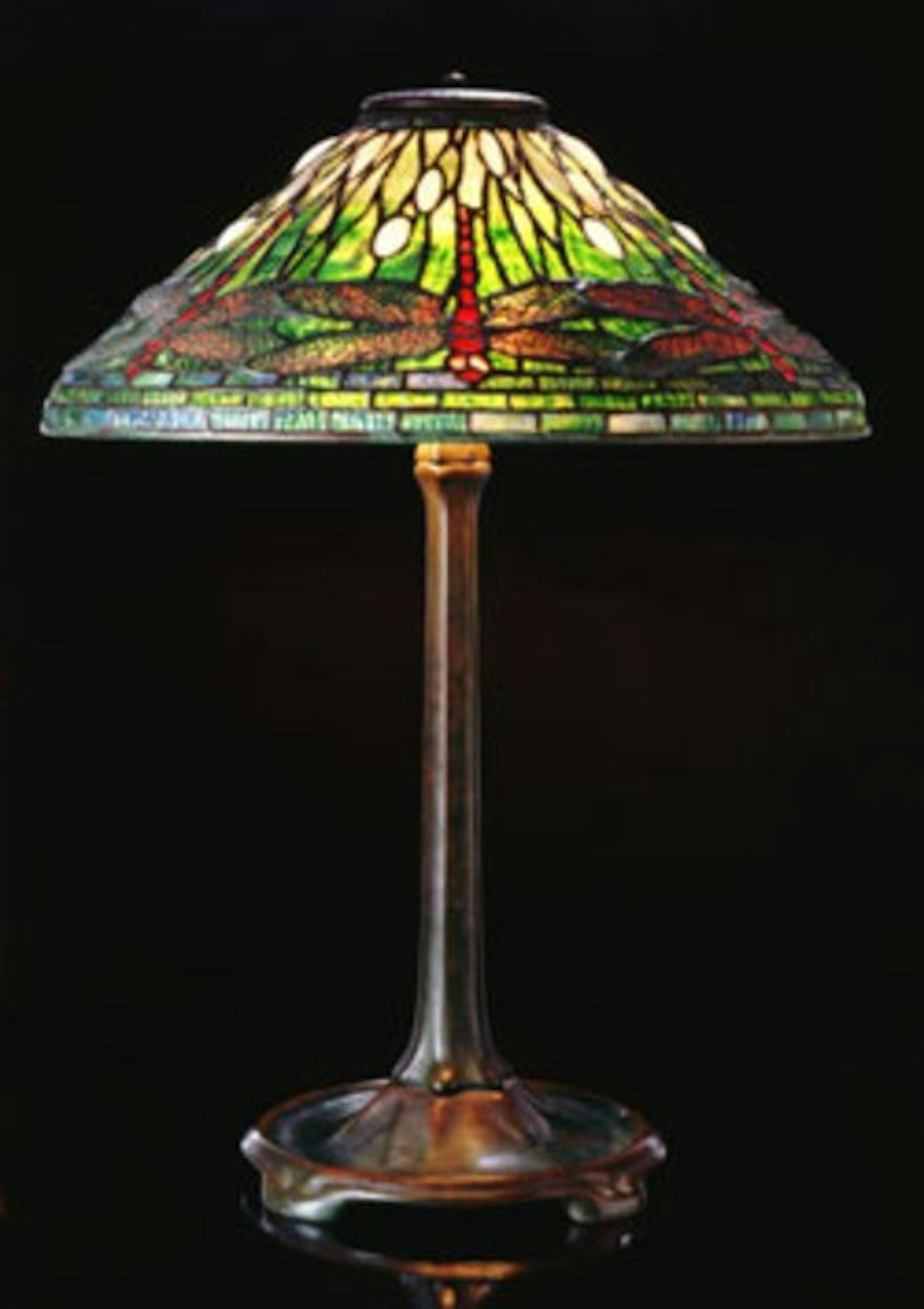
Although her novel is largely fictional, Vreeland studied letters and other historical documents from Driscoll's life in order to capture her experiences evocatively. The discovery of the letters in 2005 led scholars to believe that Driscoll had designed the famous Tiffany glass lamps. Previously, Louis Comfort Tiffany Driscoll's boss and the son of the founder of Tiffany and Company had always been credited with this achievement.
In terms of literary innovation, Vreeland's novel is not particularly groundbreaking. The plot is somewhat cliche, tracing Clara's experiences as she struggles to choose between work and love and fights for artistic recognition. For example, Vreeland describes Clara's struggle with the company's policy of only employing unmarried girls. Midway through the novel, Clara falls in love with a man named Edwin but is hesitant to give up her career at the Tiffany Studio. Although this storyline is entertaining, it is hardly unique.
The true strength of "Clara and Mr. Tiffany" lies in the way that Vreeland paints a striking picture of a place in time. Vreeland provides a richly detailed and refreshingly interesting account of the social, political and economic climate of New York in the Gilded Age. Not only does Vreeland show Clara bicycling through the city and seeing the Brooklyn Bridge, she also sets many scenes in Clara's boardinghouse in Gramercy Park. The boardinghouse has "comfortable easy chairs and freshly starched antimacassars ... [with] landscape prints of the Hudson River School hung on the walls."
Vreeland depicts how the residents present plays, learn musical instruments and teach each other languages, these cozy illustrations of boardinghouse scenes shedding light on a unique component of life during the time period.
"Clara and Mr. Tiffany" also provides readers with a glimpse into the workrooms of the Tiffany Glass and Decorating Company. Using fast-paced dialogue between the factory workers and detailed descriptions of the workroom setting, Vreeland brings the experiences of the Tiffany Girls to life. In one scene, for example, Vreeland describes how the women "had to work by those wretched electric light-bulbs hanging from the ceiling."
However, Vreeland not only relates the unpleasant aspects of factory life, but also communicates Clara's love for her work, especially her eagerness to create Tiffany lamps. In one scene, Vreeland describes Clara working at her craft table and excitedly poring over her dragonfly and floral lampshade designs.
Thus, Vreeland's novel ultimately succeeds, delivering powerful descriptions of the urban experience during the Gilded Age and a peek into the life of an unsung artistic heroine. While Vreeland did not craft a particularly unique or alluring plot, she did capture the essence of an era.