In 2006, "Dreamgirls" brought the classic Broadway musical to Hollywood. Fans of the musical know that "Dreamgirls" borrows heavily from the biography of the Motown girl group The Supremes, but many would be surprised to learn Mary Wilson, an original Supreme, was the first to tell the story over 20 years ago. In her tell-all memoir "Dreamgirl: My Life as a Supreme" (1986), Wilson exposes the dark secrets behind her group's legendary rise to fame, when childhood friends Wilson, Florence Ballard and Diana Ross dreamed of using their heavenly harmonies to trade poverty and Detroit for Motown's bright lights and shimmering sequins.
Vividly detailed and startlingly honest, "Dreamgirl" takes readers along the exhilarating highs and gut-wrenching lows of The Supremes' trajectory. It's impossible to tell The Supremes' classic price-of-fame morality tale without focusing on Ross's egomania or Ballard's tragic fall from grace. For the most part, though, Wilson manages to keep both bitterness and sentimentality in check.
-- Brittany Coombs
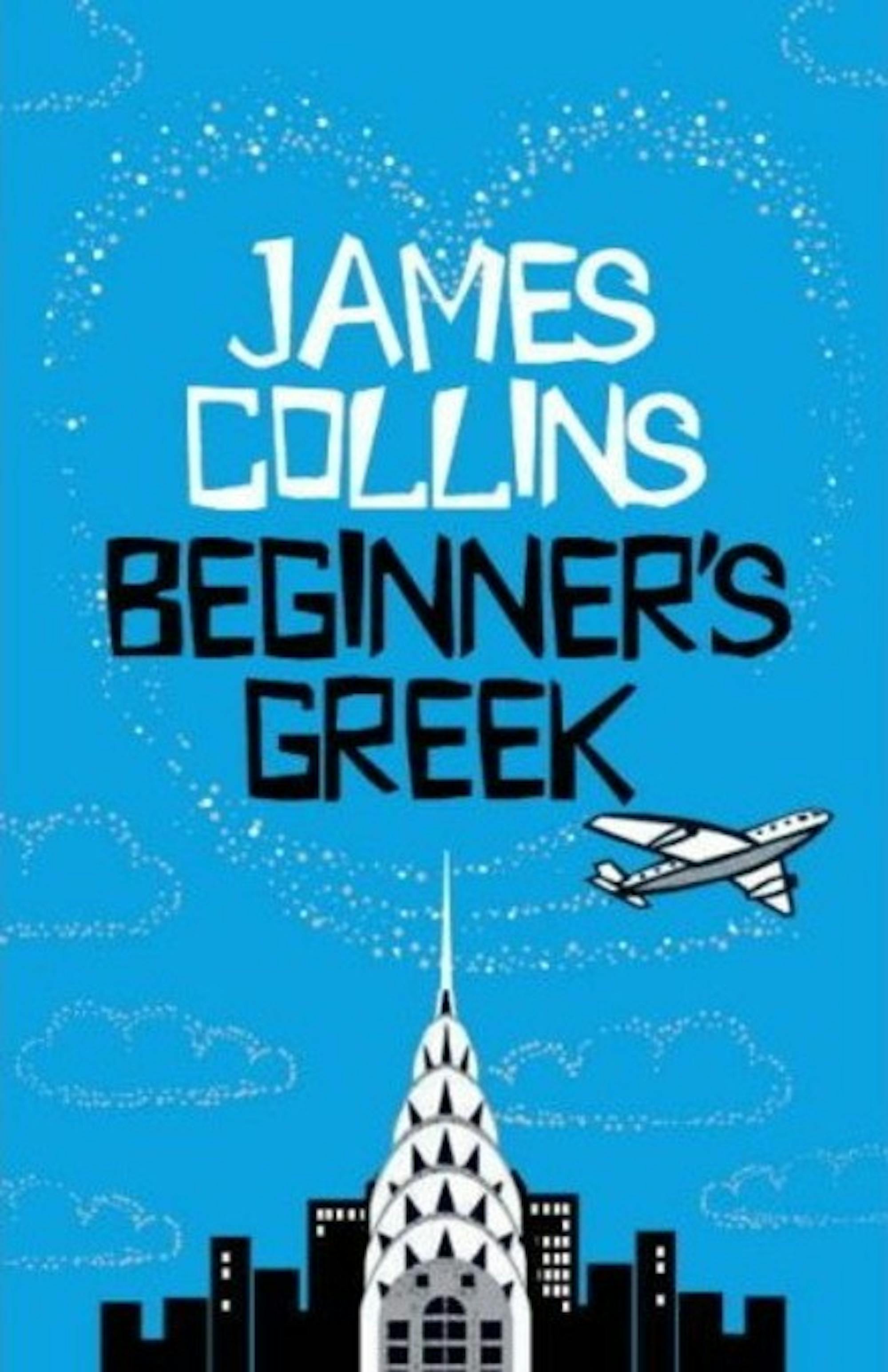
"Beginner's Greek" (2008) by James Collins is a fine example of a popular novel that happens to be a romance; published last spring, it's too perceptive and intelligent for the label "chick-lit," but bankable material for a film adaptation nonetheless. Collins' protagonists, Peter and Holly, win your heart with their self-doubt and authenticity from the moment they meet and fall in love on an airplane ride from New York to L.A. While this set-up could be disastrous in a less deft writer's hands, Collins tells a believable, engaging story as myriad complications separate the couple over the next 300 pages. The secondary characters were well sculpted and easy to imagine, although at times I wish I could spend more time with the central characters and less with those on the periphery. They are so good that you stick it out, eagerly hoping their virtue will be rewarded.
-- Lucy Randall
"Flesh and Blood" (1995) by Michael Cunningham follows Constantine Stassos, a Greek immigrant, as he marries an Italian-American girl named Mary and has three children with her. The events that define their lives seem less than unique -- an illegitimate child, a desperate affair, and a wayward son are just a few of the family's problems. But Cunningham's subtle prose lifts these incidents above the mundane and transforms them into heartbreakingly realistic literary portraits.
Cunningham's complex characterizations are at once poignant and horrifying. Readers will be titillated and engaged by the Stassos children: Billy's brilliance and budding homosexuality, Susan's near-incest and passionless marriage and Zoe's drug-addled rebellion. Meanwhile, Constantine and Mary's marriage provides the story's pathos, both the impetus and the backbone of everything to come. The beauty of the characters and the novel itself lies in their ambiguity, raising questions of who to root for and what flaws outweigh the benefits.
-- Evan Lambert
Jack Kerouac tends to get romanticized as the iconic leader of the Beat Generation, those vagrant souls constantly in search of the American Dream. Through an account of his time spent at a retreat near San Francisco, Kerouac's "Big Sur" (1962) dissects the superficial joys of the Beat life and exposes its underlying tragedy. With breathtaking candor, he describes his struggles with alcoholism, delirium and his instant ascent to fame. Unlike the rambling, abstract musings of "On The Road," Kerouac's prose in "Big Sur" is painfully halting, a byproduct of his oscillations between drunk and hungover. This novel strips away the stylings for which Kerouac became famous and goes deeper into the mindset of a man realizing his own mortality.
-- Tom Mandel
The protagonist of "The Gargoyle" (2008)by Andrew Davidson is an atheist, a porn star and an avid coke-snorter whose unfulfilling life crashes to a halt -- literally -- when he is rendered helpless and unrecognizable by third-degree burns from a terrible accident. What follows is a tale of lost love so thrilling, so disturbing and so delicious that you can't help but devour it all in one sitting.
The tale is one of religion, but Davidson is never preachy. His prose, on the other hand, is rather flowery, and Davidson can take pages to describe mere meals. Under the surface of a heart-stopping, delectable plot, Davidson forces you to question whether a greater power exists, but refuses to offer any answer. At the end, neither the reader nor the narrator can tell if life is a series of incredibly well-placed coincidences or miracles directed by some higher being.
-- Lily Ringler
"One man's mission to promote peace... one school at a time." This feel-good subtitle of Greg Mortenson and David Oliver Relin's "Three Cups of Tea" (2006) might sound trite to an audience desensitized to gooey international development by the likes of Oprah Winfrey; however, "Three Cups of Tea" is an insightful and well-paced tale that will soften the hearts of even the most callous reader.
"Three Cups of Tea" is the story of Greg Mortenson, a man with both uncommon climbing skills and a superhuman capacity for empathy. Mortenson nearly dies attempting to summit K2's treacherous peak in the Pakistani Himalayas, but he is taken in by a local people called the Balti. Mortenson's sense of indebtedness to the Balti launches him on his life's work: to bring schools to underserved areas in Central Asia. Over more than a decade he continues his work in Pakistan despite the rise of the Taliban and the events of September 11, 2001.
"Three Cups of Tea" will appeal to anyone with interests ranging from the outdoors to international development, or even just to a reader searching for an alternate story about the "war on terror" that plays out in alternately devastating and astonishing ways.
-- Rebecca Wall
Compiled by Lucy Randall, The Dartmouth senior staff. Pictures courtesy of Amazon.com.