(10/09/15 7:26am)

Caitlin Barthelmes works with students to deal with mental health issues.

Use the fields below to perform an advanced search of The Dartmouth's archives. This will return articles, images, and multimedia relevant to your query.
1000 items found for your search. If no results were found please broaden your search.
Caitlin Barthelmes works with students to deal with mental health issues.
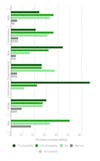
While you have been at Dartmouth, have you ever felt hopeless, despondent, uninterested in activities you typically enjoy or lethargic for an extended period of time?

How often in the past month have you felt hopeless, despondent, uninterested in activities you typically enjoy or lethargic?

Caitlin Barthelmes works with students to deal with mental health issues.
A cursory glance around any area on campus — Baker Lobby, Collis’s pasta line, the Green — will reveal an idyllic, picturesque scene. Smiling, chatty students eagerly discuss weekend plans and love life drama or offhandedly joke about how unprepared they are for an upcoming midterm, but deeper anxieties or troubles are rarely revealed. You may never know that the put-together, confident girl describing her busy social calendar over King Arthur Flourhad trouble getting out of bed this morning.
After enough swings, a baseball bat becomes an extension of the clean-up hitter’s arm. Skates define the way a defenseman relates to winter. Jerseys become identities franchise players wear day and night. The game the athlete plays becomes a fundamental part of who he is, and in many cases, that’s a good thing.
In the last few years, the eating disorder cases treated by Dartmouth’s health services have increased in severity, College nutritionist and sports dietitian Claudette Peck said.
What happens when a diagnosis does not provide clarity moving forward? For Junaid Yakubu ’16, learning that he had obsessive-compulsive disorder coupled with depression during his freshman winter only led to more questions. Though a clinician explained the details of treatment, stress and anxiety management, Yukubu was left with the dilemma of explaining what he was going through to family back home.
There were 48 reports of rape at locations related to Dartmouth in 2015. With the amount of reports increasing according to the Clery Act data, the College has been improving resources to help survivors of such assaults.
Caitlin Barthelmes’ office space — tucked away on the third floor of Robinson Hall in the Student Wellness Center — can appear a little mysterious to the casual observer. Equipped with a massage chair, free health-related goodies and bowls of candy, Barthelmes and the staff at the Student Wellness Center are working to empower students through holistic and preventative wellness processes.

Caitlin Barthelmes works with students to deal with mental health issues.
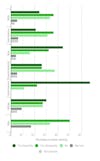
While you have been at Dartmouth, have you ever felt hopeless, despondent, uninterested in activities you typically enjoy or lethargic for an extended period of time?
Brown University:
When we were approached to co-edit the Homecoming issue, our agreement was instantaneous. The Parker/Lauren partnership dates back to before we even matriculated — when forced to interact constantly as Trippees, we realized we had a love/hate relationship forged in heaven, strengthened on the stunningly rigorous trails of Hiking II and tested in the newsroom, the classroom and the frat basement (Lauren’s pong game is about as weak as Parker’s ankles, which he injured dancing on Trips). One year, a trip to Nantucket and countless arguments later, we had proven that our insult-based relationship would stand the test of time and thought it only appropriate to apply our combined powers to a subject that’s personal, relevant and yet, somehow, still difficult to tackle.
It goes without saying that mental health at the College is an extremely important and multifaceted issue. Simply put, it seems safe to assume that almost everyone on campus has a mental health issue to some degree or another. This is, of course, natural — the College is an environment of high-octane academic performance where almost everyone is a high achiever, so it is extremely easy to feel burnt out, inadequate or unappreciated in the mix of all of this. Only within the past year have I thought that I’ve grasped any sort of truly effective solution to my own mental health issues, let alone those of other people. It is not a panacea by any means, but it has been immeasurably helpful in bringing me a sense of confidence and well-being.
Around 400 B.C., the Greek physician Hippocrates treated the mentally ill as not having a disorder, but a disease. Though mental illnesses plagued humanity well before diagnosis and record-keeping, their stigma may be rooted in the misconception that symptoms and behaviors are a matter of one’s choosing. This misconception colors the manner in which patients with psychiatric illnesses are treated. For centuries, many afflicted patients have come to be categorized as having mental disorders rather than medical diseases — a difference that may greatly influence the stigma these patients face in the general population as well by some medical practitioners.
It is 7:45 on an overcast Monday morning. I know this only because my alarm is blaring, reminding me that I have the misfortune of having to once again wake up and drag myself out of bed — though it only seems unfortunate if your thought processes, like mine, are dominated by mental illnesses, namely depression and generalized anxiety disorder. What is fortunate, however, is that I received both diagnoses before coming to the College. Despite this, I was still unprepared for the amount of effort it would take to get out of bed some days. Maintaining focus while being engaged in academic work is a bit like trying to grasp a wet bar of soap. I could lock myself in the sixth level stacks — no human contact, no phone, no internet — and still manage to waste hours being unproductive — and I definitely did not expect the Hanover winters to take my depressive episodes to new lows.
I remember the smile. I remember how draining it was trying to appear happy when it felt like there was nothing but pain and sorrow on the inside. When asked how I was doing, I would say I was fine, reply simply with “nothing” when a friend asked what was wrong. With each false word, I felt myself recede further into the darkness. There were days when I looked in the mirror, unable to recognize the person staring back at me. But even when I felt like I was losing a grasp on who I was, who that person looking back from the mirror was, I was even more afraid of what the reality would be if I took off the mask and finally opened up to myself and my friends about my struggles.
Do you remember the Hat Game? If you need a refresher to jog your memory about this Dartmouth Outing Club First-Year Trips’ classic, the Hat Game entails asking Trip leaders anonymous questions via slips of paper dropped in a hat. During my Trip, most of the questions were simply jokes that had everyone in splits from laughing. It was amusing to see our Trip leaders compete to see who could most creatively dodge questions about their sexual history. Other questions were thought-provoking and productive. My knowledgeable trip leaders talked extensively about academic advice, stress management and their experiences maintaining a balance between their work and personal lives. There was one question, however, that struck a chord — perhaps the wrong chord. This anonymous question was about depression at the College. Instantly, the temperature in the cabin seemed to drop. The transition from wholesome fun to discomfort amongst the Tripees was evident on everyone’s faces.
Many people have recently been speaking out about the dearth of counselors and other resources to sufficiently support students’ mental health needs. I fully endorse these complaints and understand the need for more institutional structure in the realm of mental health. Just as troubling to me, however, is the way campus culture teaches students to think that discussions of mental health are burdens on their friendships. This effectively creates an unsupportive environment for people with mental health issues and likely sets them up for relapse.