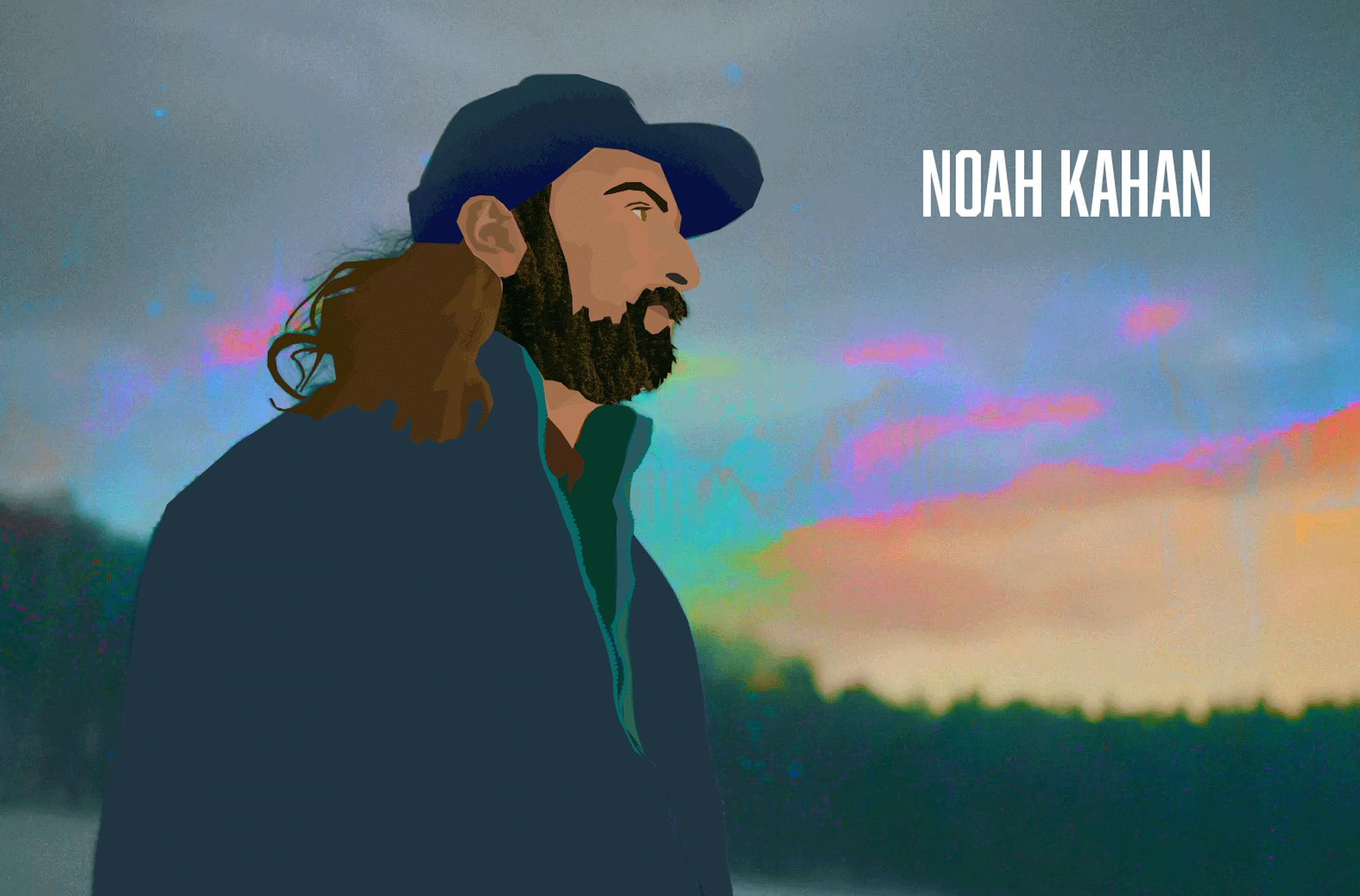
On April 13, Netflix released a documentary titled, “Noah Kahan: Out of Body.” Directed by Nick Sweeney, the film traces Kahan’s rapid rise as a singer-songwriter from posting songs on TikTok to playing two sold-out shows at Fenway Park in 2024 as part of his “Stick Season: We’ll All Be Here Forever” tour. The documentary, which takes place over one-and-a-half years, is both a celebration of success and an honest portrait of an artist struggling to find his place.
The documentary largely focuses on Kahan’s sense of home and the tension between the Vermont he grew up in and the career that has pulled him away from it. The third of four children, Kahan reflects on the chaos of his own upbringing — the laughing, the fighting, the homesickness and the nostalgia — through conversations with his siblings in the documentary.
Through old video clips and quick cuts between stage performances, intimate conversations and moments with friends, the film highlights the central tension in Kahan’s life: between “Noah Kahan the superstar,” as his brother quips, and “Noey,” as his mother affectionately calls him. Kahan walks red carpets, plays for 38,000-person crowds, appears on Jimmy Kimmel and Saturday Night Live and helps his mom put a dock in a lake and drinks beer alongside his brother in their home forge.
Throughout the documentary, Kahan and his fiancée Brenna Nolan oscillate between Nashville, the Upper Valley and his tour stops. He describes feeling unsettled by Nashville, its “what’s next?” mentality and a sense of relentless pressure wearing on him. “It’s all my career all the time. Everyone around me is a musician. Everyone’s working on music.” Kahan sees Nashville as necessary to his work — a hub for writing, recording and collaborating with other musicians — but also feels under siege by a career that never seems to pause. At home, though, Kahan feels suffocated by the isolation of the Upper Valley but also appreciates its simplicity.
Now best known for his folk-pop music and intimate lyricism, he is acutely aware that he is no longer a “nobody” performing in the Hanover High talent show or writing songs in what he called the “bad vibes room.” He wants to make a good album but struggles with perfectionism and with accepting the possibility of failure. By the end of the documentary, he finds himself not caring about music at all. He misses his family and his place in it, seeking to reconnect with who he is and why he creates.
What emerges is not a documentary about a celebrity struggling with fame, but a quieter tension — of a brother missing his siblings, a son missing his mom.
Kahan’s self-deprecating humor runs throughout the documentary, beginning with early interviews in which residents of his hometown, Strafford, Vt., admit that they do not listen to his music. He is quick to make fun of himself, his appearance and his work, but he also shares that those jokes can obscure a desire to be taken seriously. In one vulnerable moment, he reveals that he has struggled for 15 years with body dysmorphia, eating disorders and self-image issues — experiences he says are especially difficult to articulate as a young man from a small town where reputation matters and stigma around therapy persists.
The documentary also explores Kahan’s relationship with his father. When Kahan was in eighth grade, his father was severely injured in a biking accident that left him with a traumatic brain injury and in a temporary coma. Kahan reflects on the difficulty of loving and feeling frustrated by someone who, after such a life-altering event, is no longer quite the same. He also addresses his parents’ eventual divorce in 2020, which unfolded during the COVID-19 pandemic while he was home in Vermont.
Understanding Kahan’s upbringing makes his songs feel ever more personal — the lyrics and jokes he makes on stage are extracted directly from his experiences with his parents’ divorce, his siblings and Vermont.
The latter half of the documentary shows Kahan recording his upcoming album, “The Great Divide,” and the frustration that process brings. Kahan says he has never struggled more deeply with his mental health, despite his overwhelming success.
The documentary also highlights Kahan’s work with The BusyHead Project, a non-profit organization that he helped found in 2023 to reduce the stigma around mental health and increase access to therapy for people struggling with mental health issues — especially those in rural communities. These moments reframe Kahan’s own struggles with mental health: He is not only someone who has suffered, but someone who has turned that suffering into empathy for others in his community.
In conversations with his parents, Kahan wonders how writing about their dirty laundry — divorce, accidents, financial problems — has affected them. His mother observes how Kahan has the power to humanize trauma through his songs. This was no more apparent than in a backstage moment before Kahan’s Fenway Park performance, where he played his song “Forever” for a 14-year-old named Zuza Beine, who was battling acute myeloid leukemia. The documentary moves from the intimate, emotional moment with Zuza to him playing the same song to a screaming, sold-out crowd. Kahan’s lyrics become the connective tissue, stitching together personal heartbreak and collective joy. He writes songs resonant enough to matter to Zuza and 38,000 strangers at the same time.
At the end of the documentary, Kahan decides to move back to Strafford. He feels the happiest and most inspired at home, where he feels less consumed by his career and more grounded in family and friends. He describes Vermont as feeling “more real,” as people inquire about his family rather than his streaming numbers.
That return home does not resolve everything, though. Kahan recognizes that being able to articulate his experiences in song does not mean he can easily move through them. There is no neat “happy ending,” only the ongoing effort to grow into himself and build a sense of belonging, community and creativity. “Noah Kahan: Out of Body” is a vulnerable documentary that navigates identity, family, fame and home with empathy and introspection.